Overview
KinAya is an Adelaide-based provider of NDIS support services — helping people with disability live more independently and with greater choice. When they came to me, they were rebranding entirely under a new name and needed two things built from scratch: a brand identity that felt trustworthy and human, and a website that could act as a hub for new clients and referral partners.
The brief was clear. The sector demands care, neutrality, and trust — not aggressive sales funnels or flashy aesthetics. My job was to translate that into something that looked considered and professional without feeling cold.
I handled everything: logomark refinement, logotype design, colour system, brand guidelines, and a full six-page Framer website with CMS, custom interactive components, and a site-wide accessibility feature built specifically for their audience.
desktop
Mobile
Brand Identity


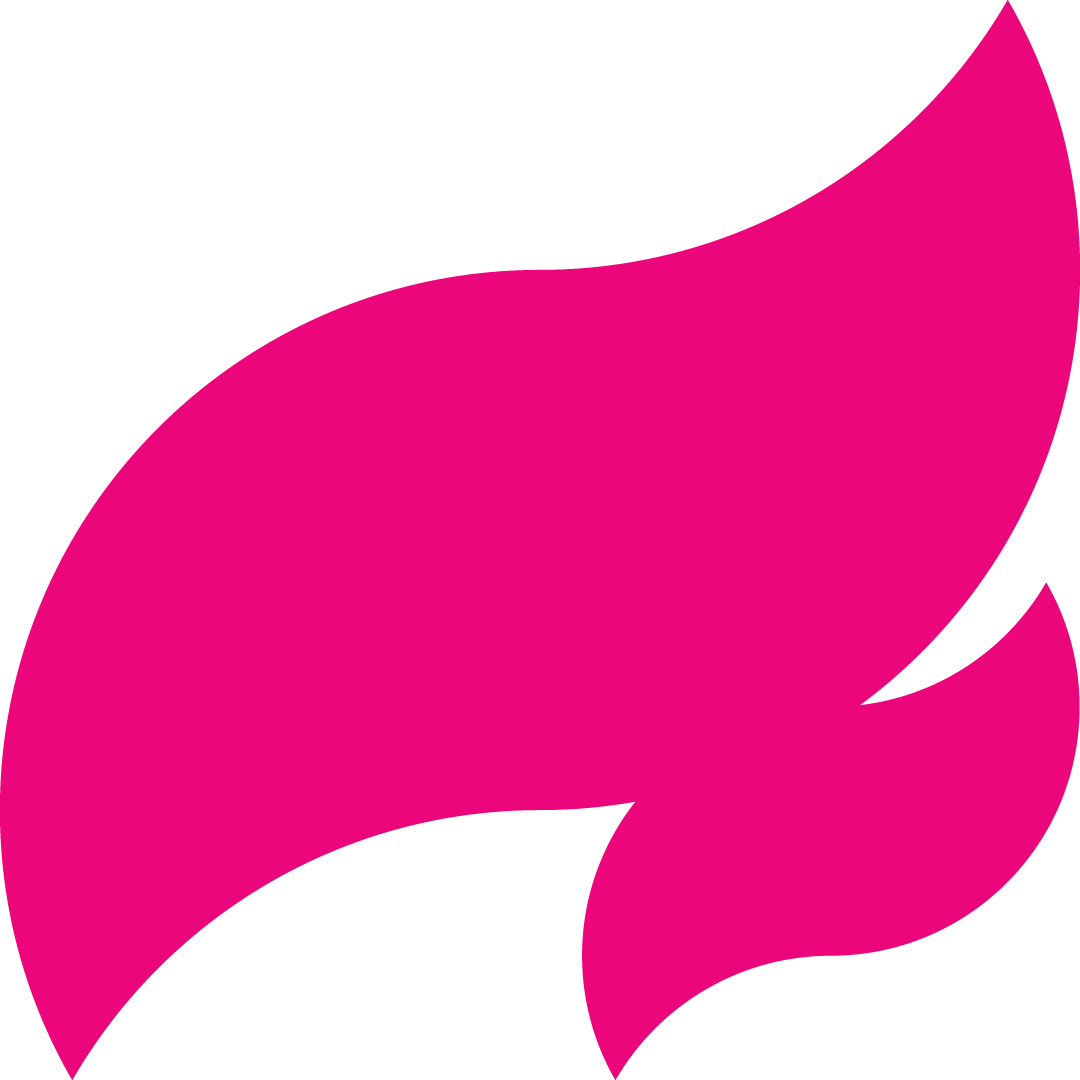
KinAya came in with an initial sketch of their logomark concept. I worked from that foundation — refining the mark, cleaning up the geometry, and presenting a range of developed options so the stakeholders could see the direction clearly before committing.
From there I selected and set a logotype — the custom text treatment that sits alongside the mark to form the full logo — choosing a typeface that matched the brand's tone and carefully adjusting the kerning so the two elements worked together as a balanced unit.
The brand palette came in three core colours. I extended this by developing a lighter pink tint that performed better in certain applications where the original felt too heavy against white. I also introduced a subtle gradient treatment across the logos — not just as a finishing touch, but as a deliberate seed for where the brand aesthetic could grow if KinAya ever needs to expand or evolve their visual identity.
All logo deliverables were packaged in every format they'd need: logomark, logotype, and full primary logo, each in the three brand colours, black, and white, across appropriate file types.
#2F4858
#E94E77
#FF8AA2
#FFE6EB
CMS & Dynamic Content
The homepage and three core sections — available homes, services, and the team — are all connected to Framer's CMS. Each has its own detail pages that populate from a single content entry. This means the stakeholders can add a new team member, property, or service themselves without touching any design or code.
I ran a dedicated handover session before launch, walking through exactly how the CMS works so the person responsible for content felt confident managing it independently. That's been the case — they've been hands-off with me since launch.
Interactivity & Custom Components
The services section uses a custom hover-interactive component I designed and built — each service reveals further detail on hover, with the interaction fully adapted for mobile tap behaviour so nothing is lost on smaller screens.
The hero section features an auto-advancing image slideshow — a smooth, looping visual sequence that gives the page life without requiring video.
A custom FAQ accordion section handles common questions cleanly, reducing the need for back-and-forth with enquiries.
Multiple contact forms are placed at key points throughout the site, following established UX patterns for this type of service — prioritising ease of access and clarity over conversion pressure.
Accessibility
This was one of the most important considerations on the project, and one I'm most proud of.
NDIS-aligned services have a responsibility to be genuinely accessible — not just aesthetically appropriate, but functionally usable for people with varying needs. With that in mind, I built a custom site-wide text resizer into the navigation bar. A user can increase or decrease the text size across the entire site with a single click, without refreshing the page or changing browser settings.
The component was built with AI-assisted custom code and integrated directly into Framer — it's persistent across pages and works seamlessly on both desktop and mobile.
This feature came up directly when consulting with the stakeholders on priorities. In a sector where your visitors might include elderly family members, carers, or people with low vision, it's the kind of detail that matters — and the kind of thing a lot of agencies building in this space overlook.
Imagery & Visual Consistency
All imagery across the site was generated using Midjourney with a custom style profile developed specifically for KinAya — agreed with the stakeholders before production to ensure consistency. The brief was neutral, warm, and human: people in realistic, everyday settings that felt aspirational without being glossy or corporate.
Once generated, I applied gradient maps to the images to bring them further in line with the brand palette, then added a subtle grain layer. The grain serves two purposes: it removes the obvious AI gradient banding that can make generated images look artificial, and it allows a reduced file size — which matters for site performance, and especially matters when your audience may be on older devices or slower connections.
SEO & Technical Foundations
While KinAya's primary growth channel is word of mouth and referrals — not search — I implemented foundational SEO and technical optimisations as standard practice: page titles, meta descriptions, OG images, and the Framer-native sitemap and robots.txt setup. The site is clean, fast, and correctly structured if they ever choose to invest in search down the line.
The site is connected to their domain via GoDaddy — the same process applies regardless of domain registrar, and I can handle this for any client.
Client Feedback
"Finbar was great to work with from start to finish. He took the time to understand what KinAya needed, communicated clearly throughout, and delivered something that felt cohesive — the branding and website genuinely felt like one vision. The accessibility features he suggested, like the text resizer, showed he was thinking beyond just aesthetics. Handover was smooth and we felt confident managing the site ourselves after his walkthrough. Highly recommend."
— Aryan Sareen, KinAya
What Was Delivered
Six-page Framer website
Logotype design and kerning
Auto-advancing hero slideshow
Shared nav and footer components
Logomark refinement and development
Full primary logo (logomark + logotype)
Custom hover-interactive services component
All logo deliverables in brand colours, black, and white
Brand colour system including extended tint and gradient direction
CMS connected to homes, services, and team sections with detail pages
FAQ accordion
Post-launch support
CMS handover session
Multiple contact forms
Mobile-optimised throughout
Domain connection via GoDaddy
Foundational SEO and technical setup
Midjourney image generation with custom style profile
Gradient map and grain post-processing on all images
Site-wide text resizer (custom AI-assisted component)