Rennen Plus
Visit live siteThe car is the front door
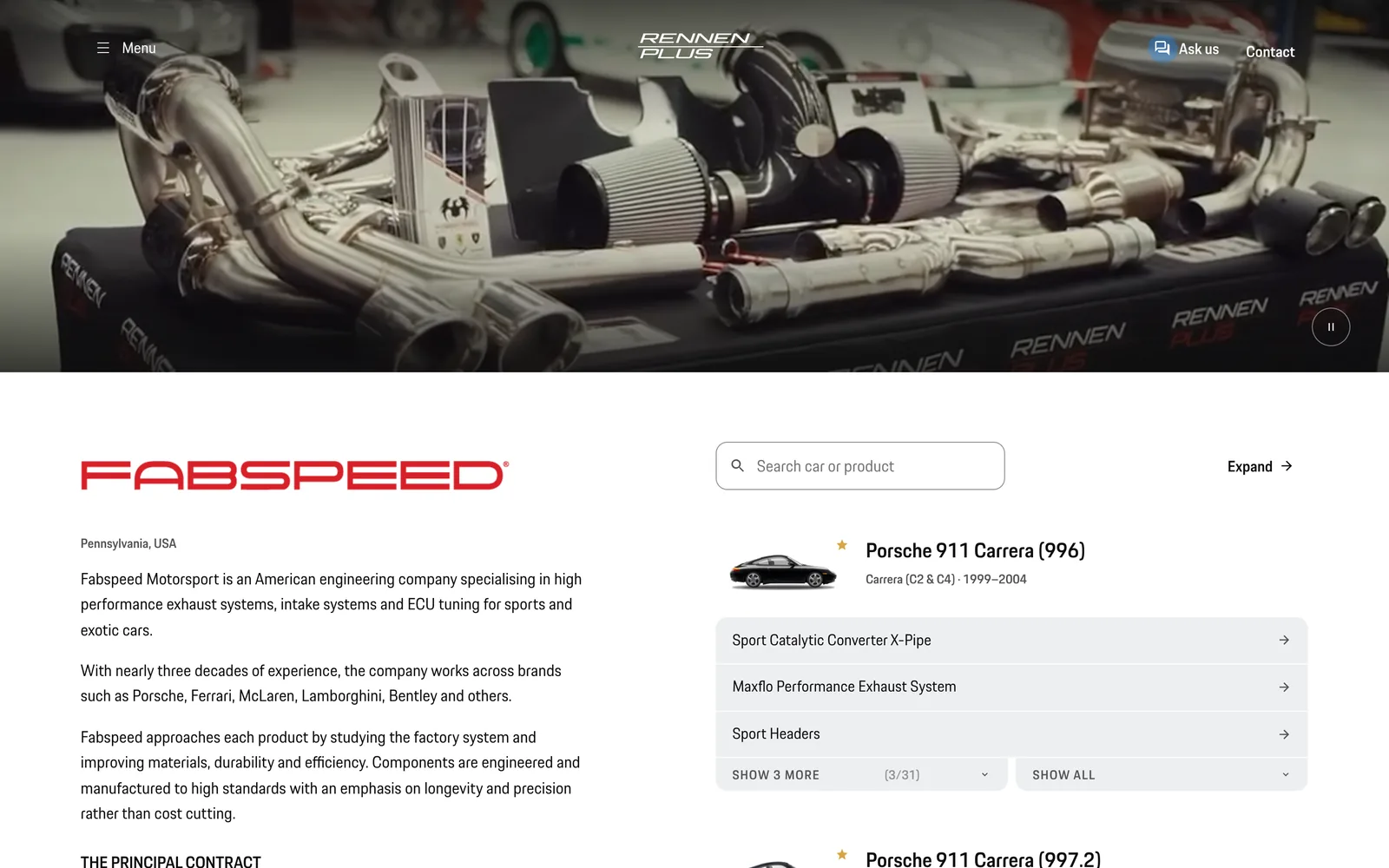
Rennen Plus is the parts arm of Rennen Motorsport, a Porsche workshop in Adelaide. It represents Fabspeed and TracTive in Australia, runs TECHART Australia, and carries PermaTUNE ignition and its Rennen ITB throttle bodies, built with JSR Engineering, for the air-cooled cars. Before this build all of that lived on an old Shopify store, in supplier PDFs and in Mason's quoting spreadsheet.
A customer with a 997 could not tell what fitted, what it would cost landed in Australia, or who would fit it. The business is not a shop either. Every sale ends in a phone call, because a person confirms fitment before anything ships.
So the site has one job, the job a shop does badly: get someone from "I have this car" to "these are my options and roughly what they cost" without a form or a login, then hand them to the team. We agreed one rule on day one. You pick the car first, and the site never shows a part on a car it does not fit.
Every car, isolated
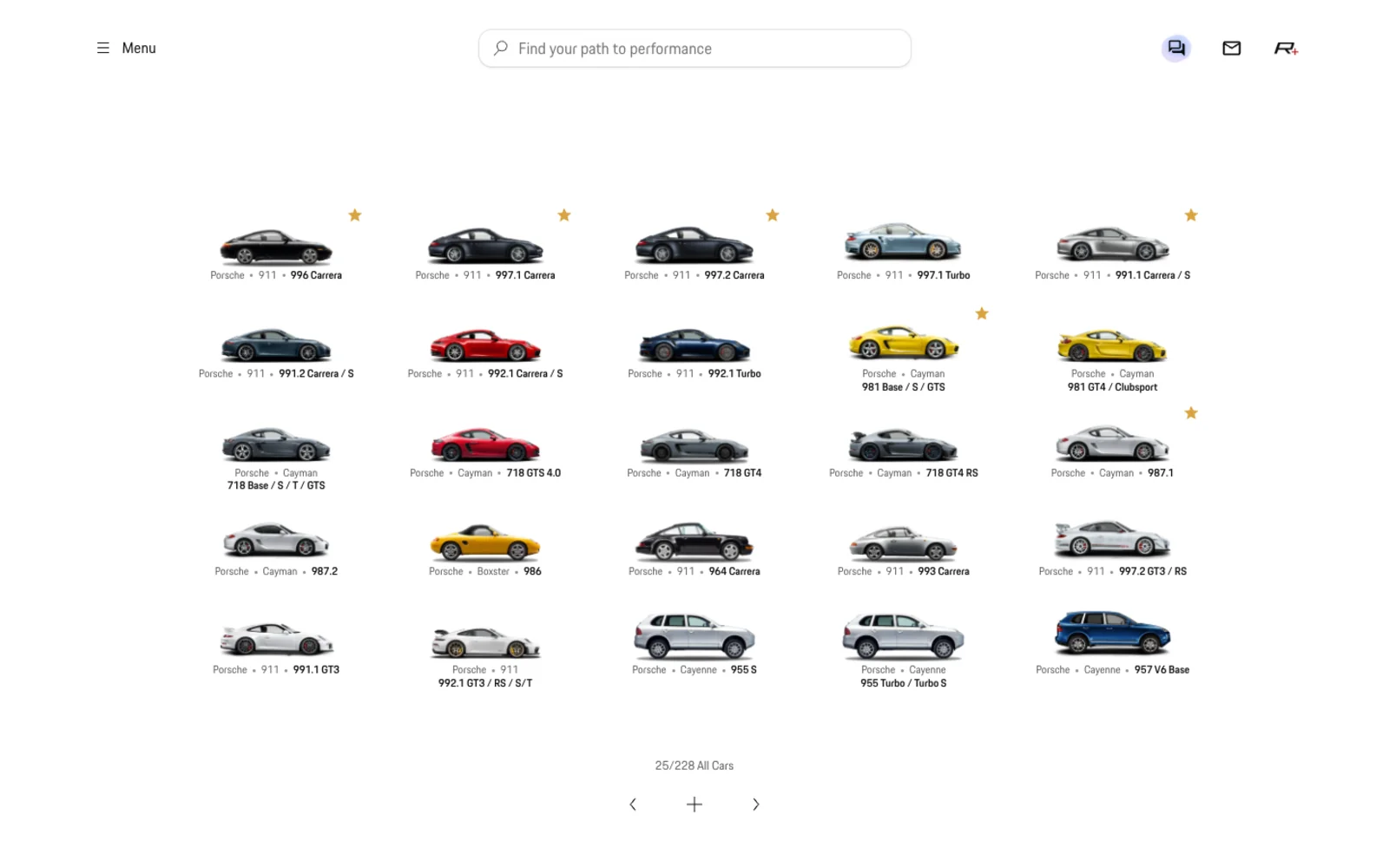
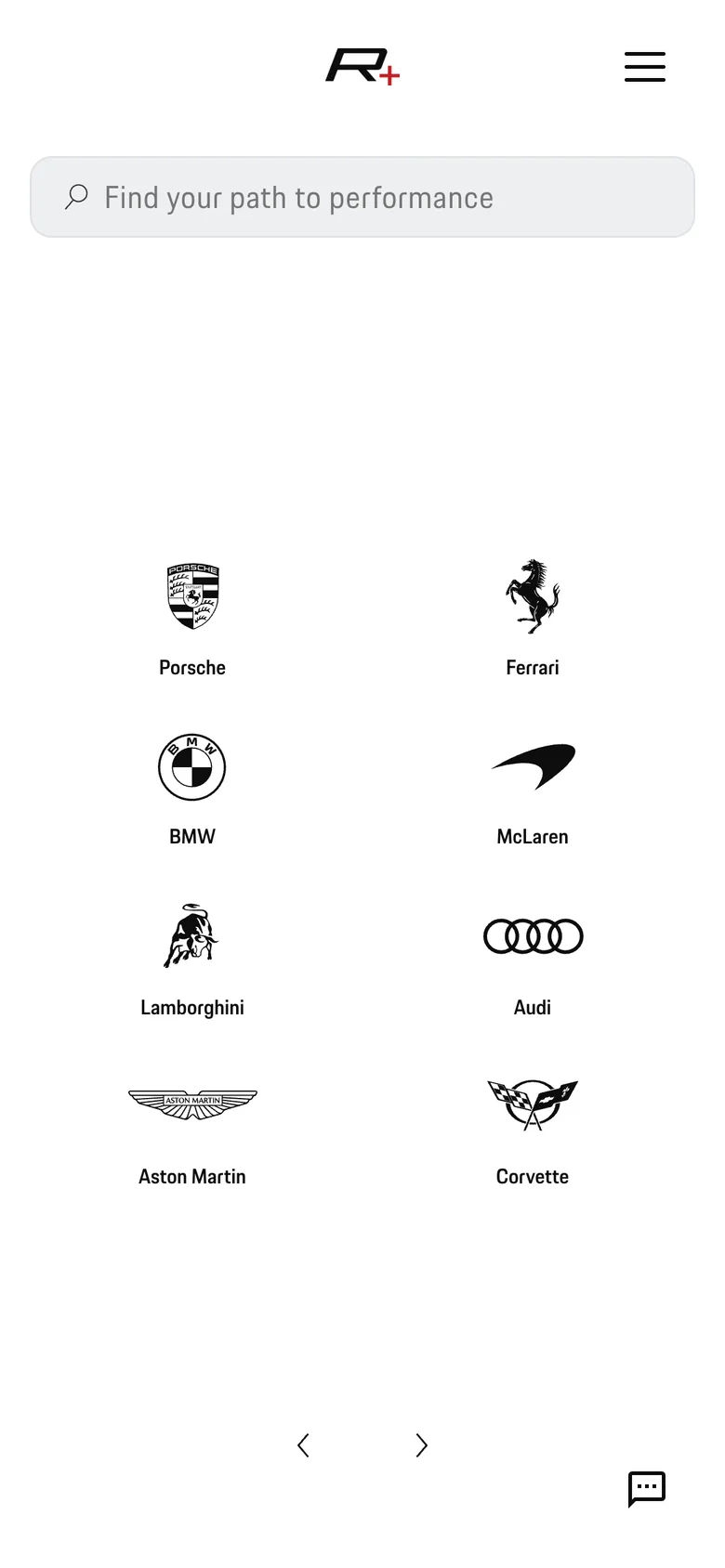
The catalogue covers 228 cars across 21 makes, from the 1976 911 SC to the current Taycan, plus the Ferrari, McLaren, BMW and Corvette models Fabspeed serves. Each one needed a thumbnail that read as the same object as its neighbours, and there was no press kit for that.
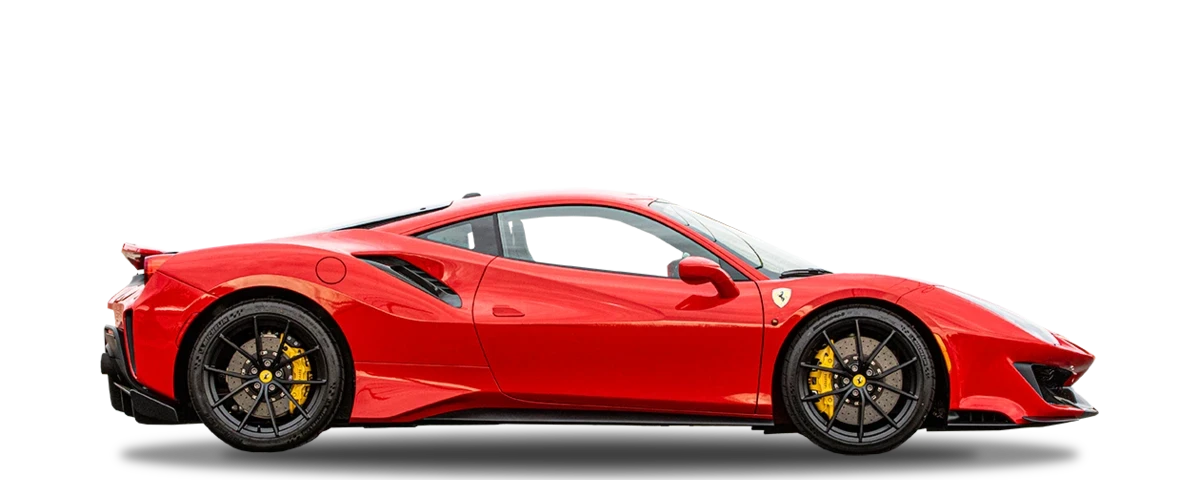
Every image went through the same steps. Anything under HD was upscaled four times first. Backgrounds came off with rembg where a shadow was baked into the source, because it takes the shadow with it, and with a plain fuzz cut on clean studio renders. Every car faces right, mirrored where the source faced left, gets a soft ellipse only where it had no ground contact, and lands on one 1200 by 480 canvas so a Cayenne and a Boxster sit on the same line at the same scale. The grid below is built from the site's own files.
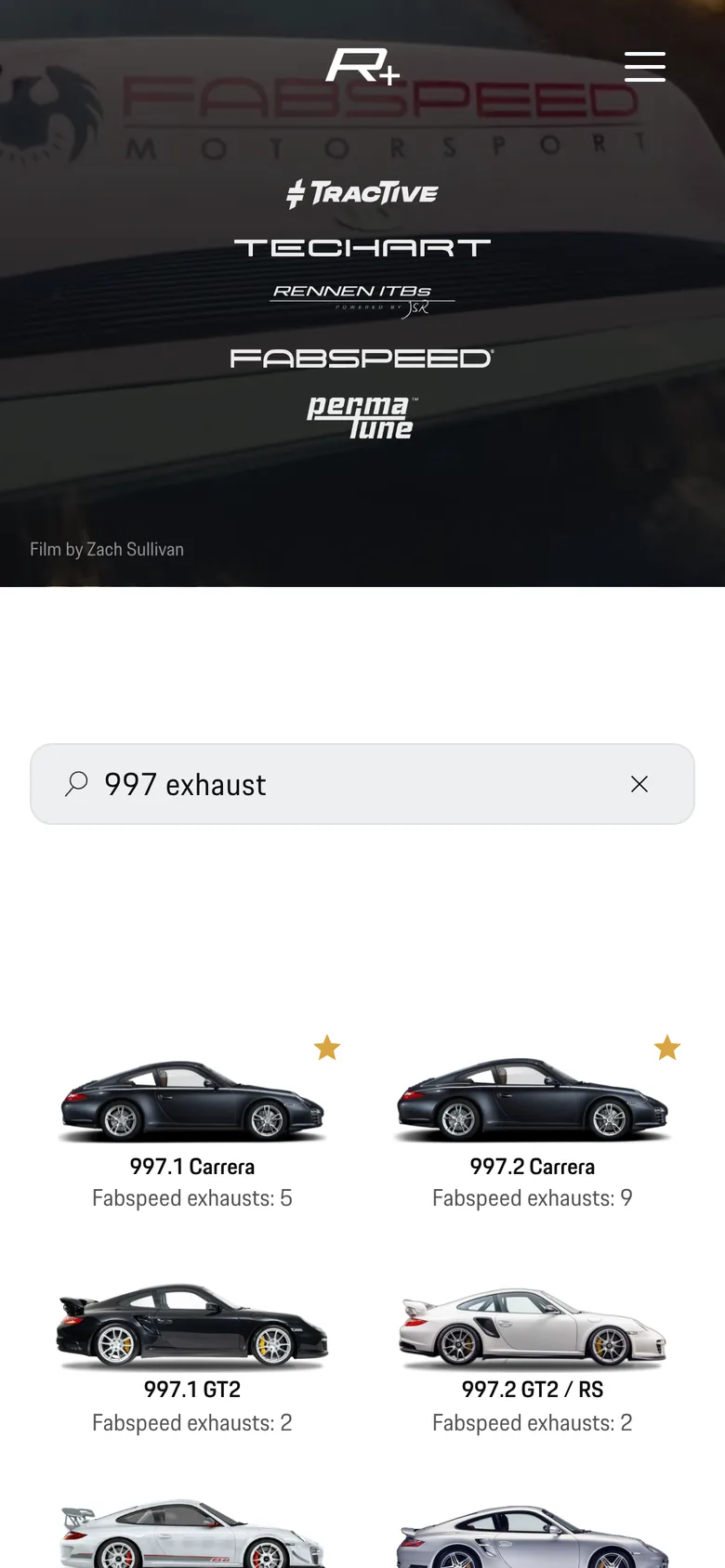
The search bar over the top understands how owners talk, through 111 aliases taken from real product titles. "992", "c8 fab" and "997 exhaust" all resolve, a one-letter typo still lands, and "c8" offers the Corvette and the Audi RS6 and RS7, because all of them use that code. Searches that find nothing are logged, so the alias list grows from real customers.
 Porsche 911 Carrera, 997.1
 Porsche 911 GT3, 992
 Porsche 911 Turbo, 930
 Ferrari 488 Pista
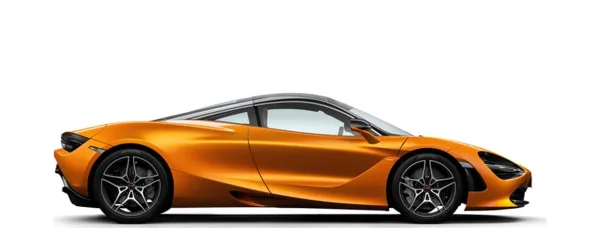 McLaren 720S
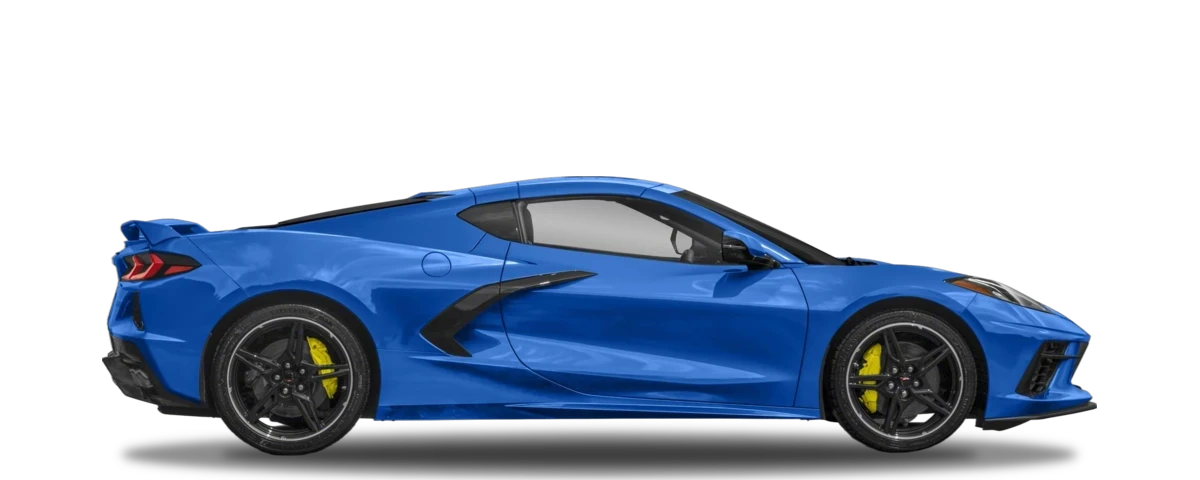 Corvette Stingray, C8
 Lamborghini Huracán
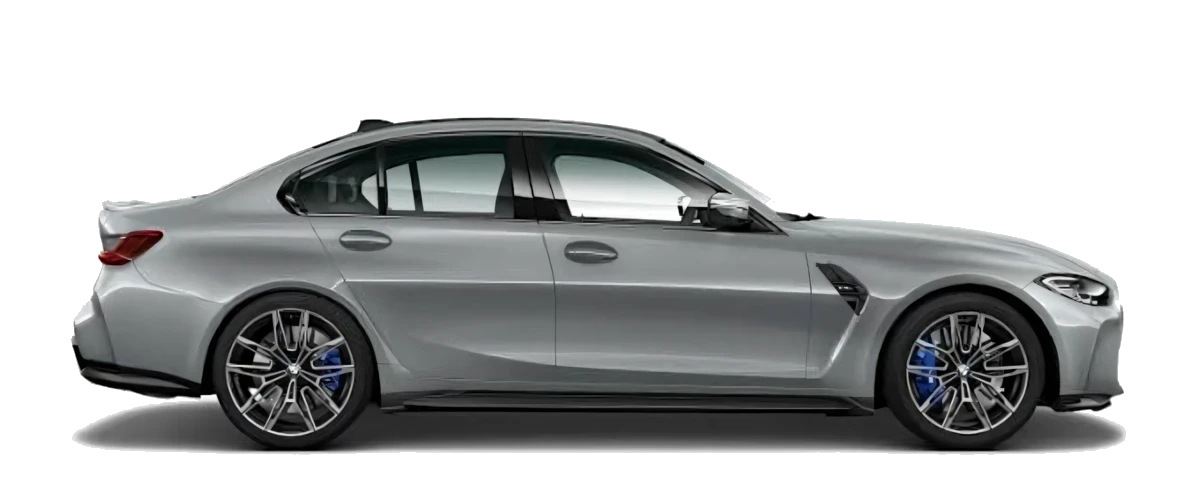 BMW M3 / M4, G80
 Porsche 911 Carrera, 964
 Porsche 718 Cayman GT4 RS
 Porsche Cayenne S, E3
 Aston Martin V8 Vantage
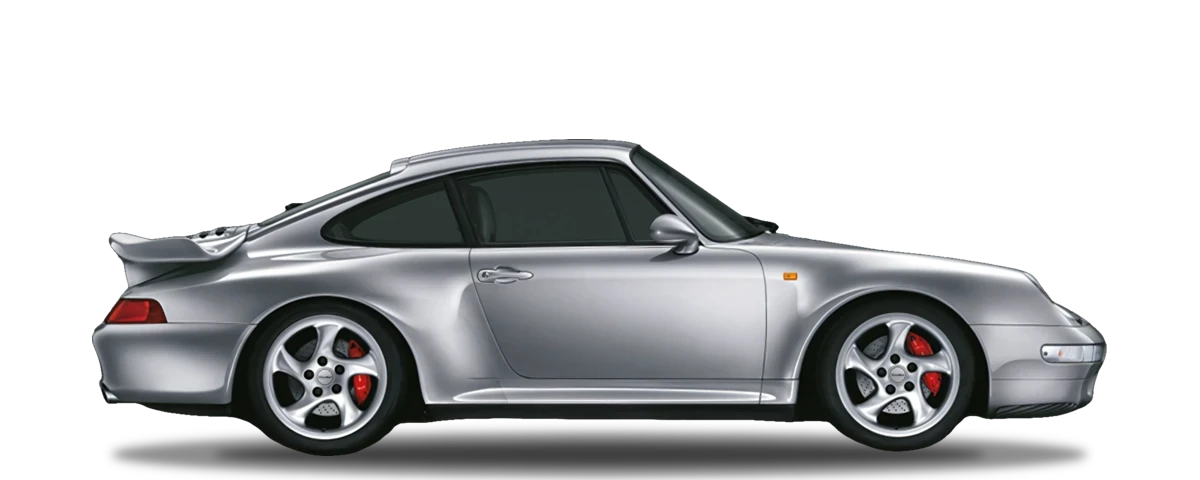 Porsche 911 Turbo, 993
 Porsche 911 GT3, 991.2
 Ferrari 812 Superfast
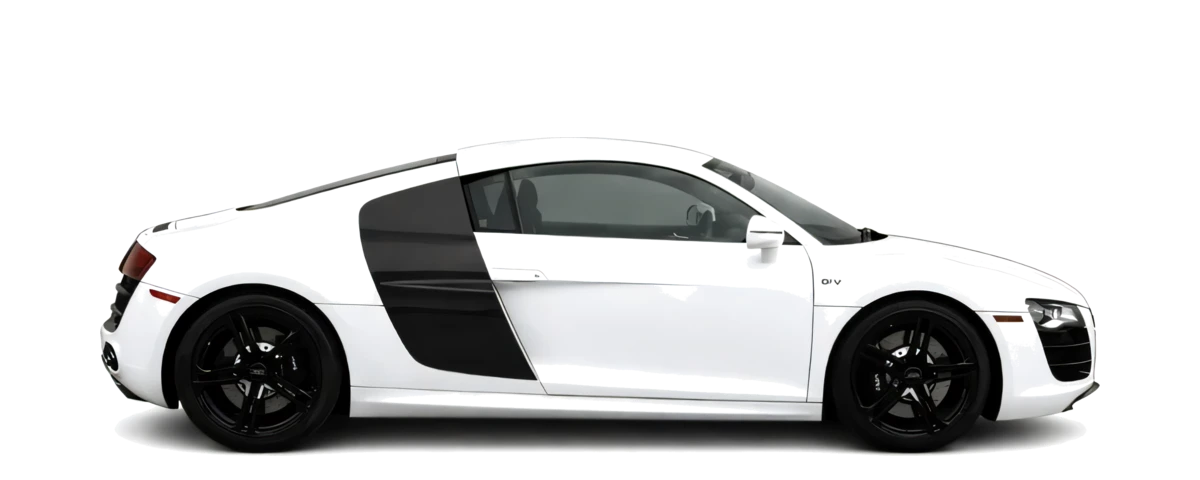 Audi R8 V10, Typ 4S
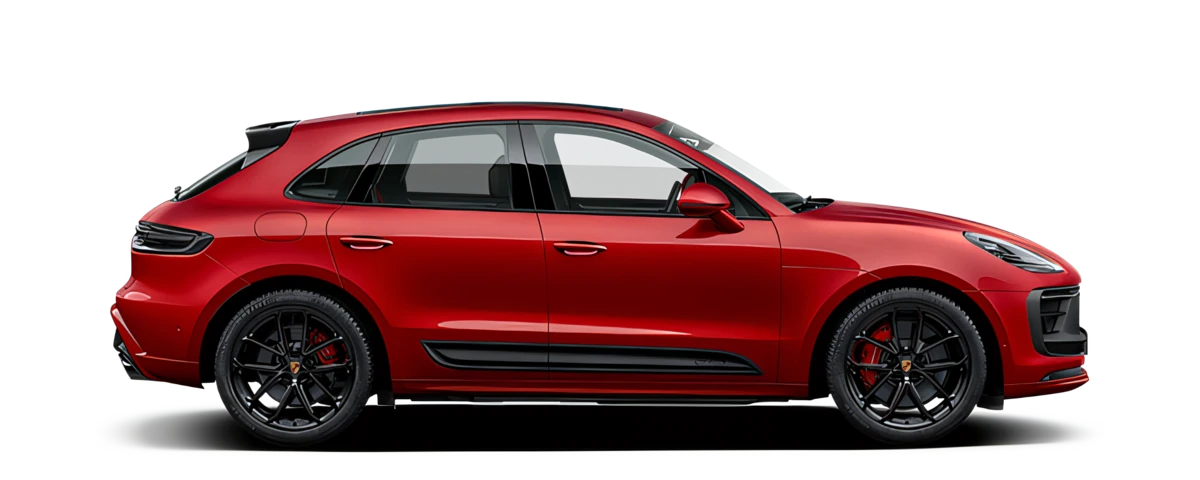 Porsche Macan S, 95B.2
 Maserati GranTurismo
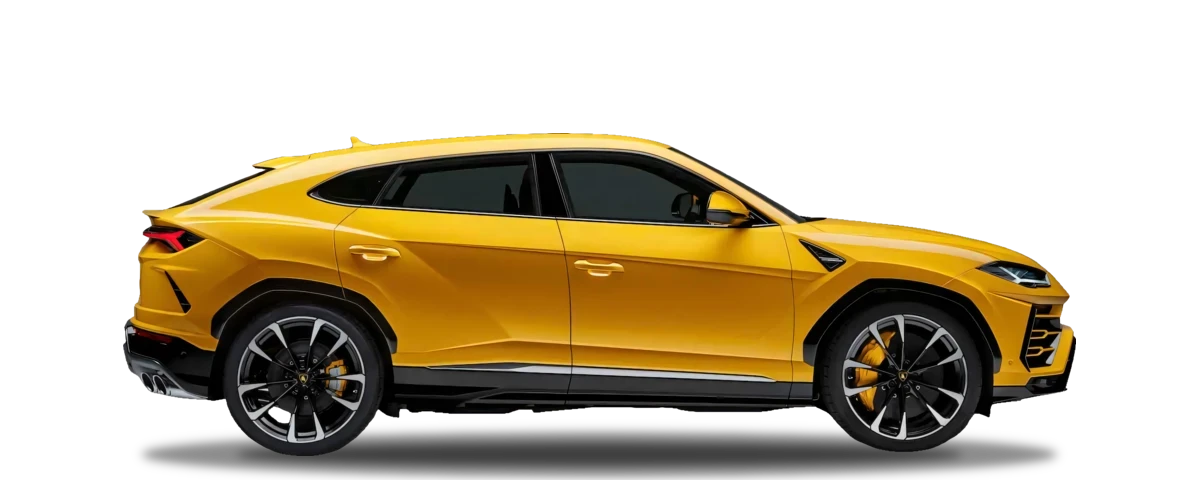 Lamborghini Urus
 Porsche Boxster, 986
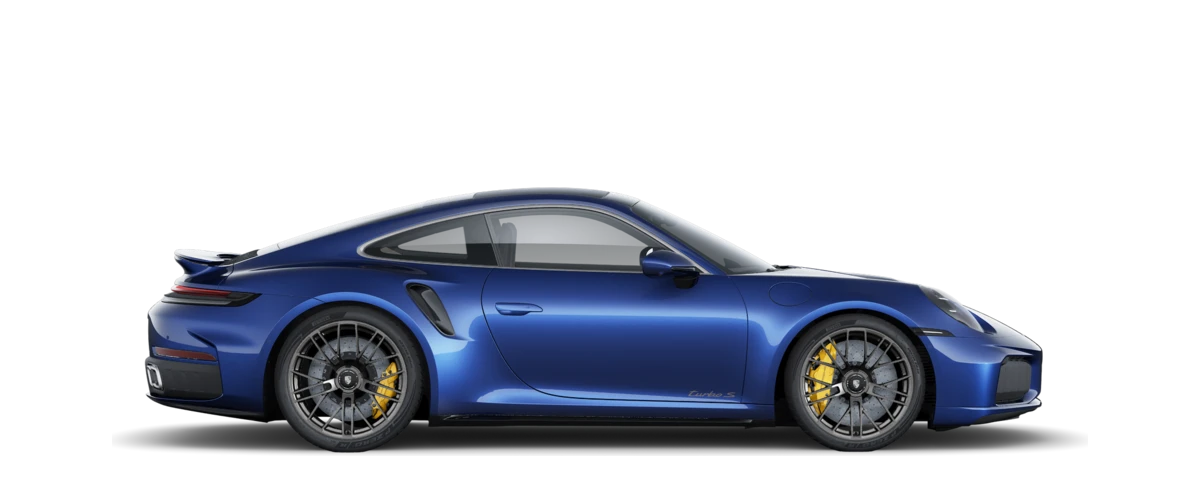 Porsche 911 Turbo S, 992.2
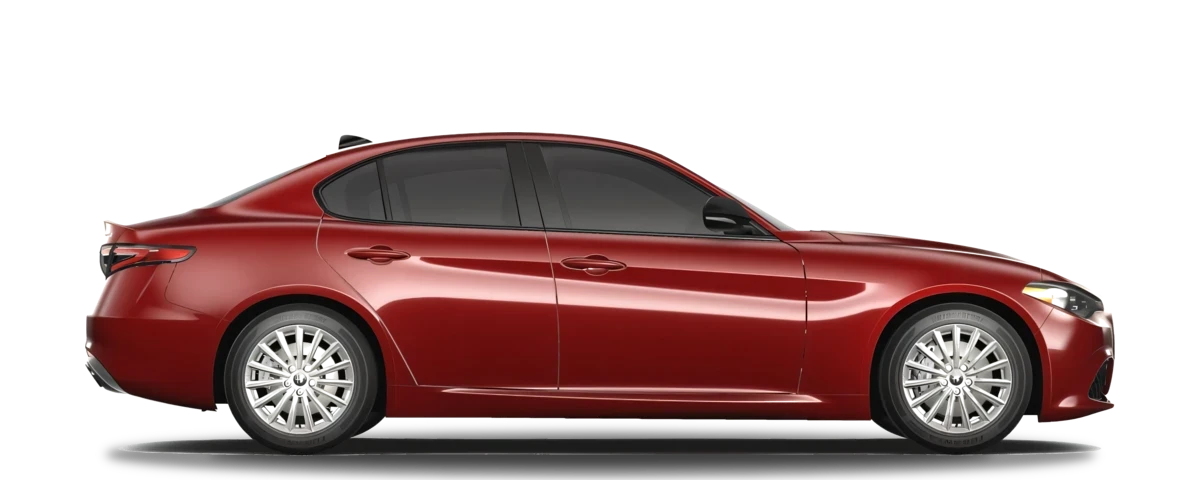 Alfa Romeo Giulia Quadrifoglio
 Bentley Continental GT
 McLaren GT
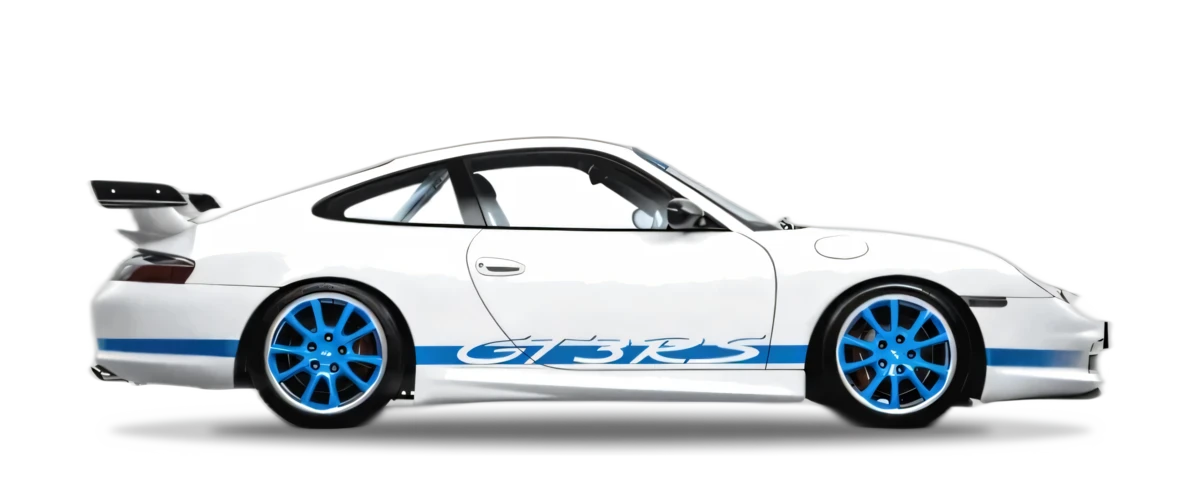 Porsche 911 GT3, 996
 Porsche 911 GT2 RS, 997.2
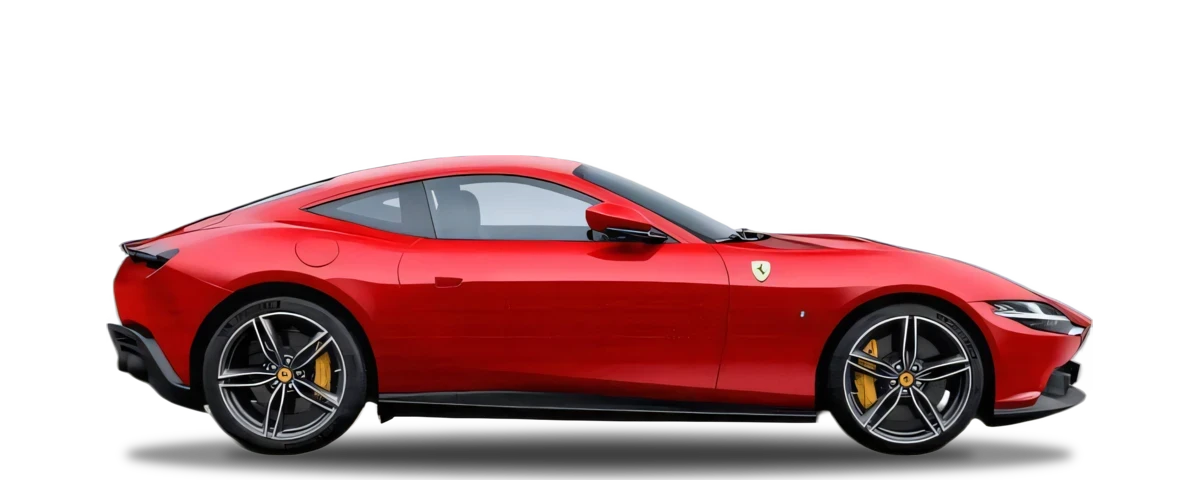 Ferrari Roma
 BMW M340i, G20
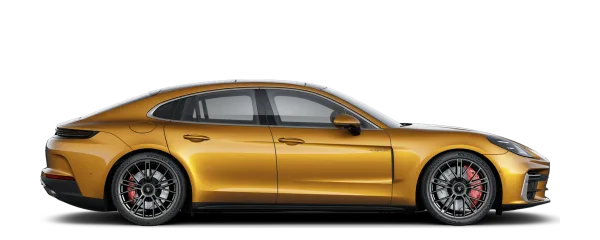 Porsche Panamera, 970
 Porsche Cayman, 987.1
 Lamborghini Gallardo
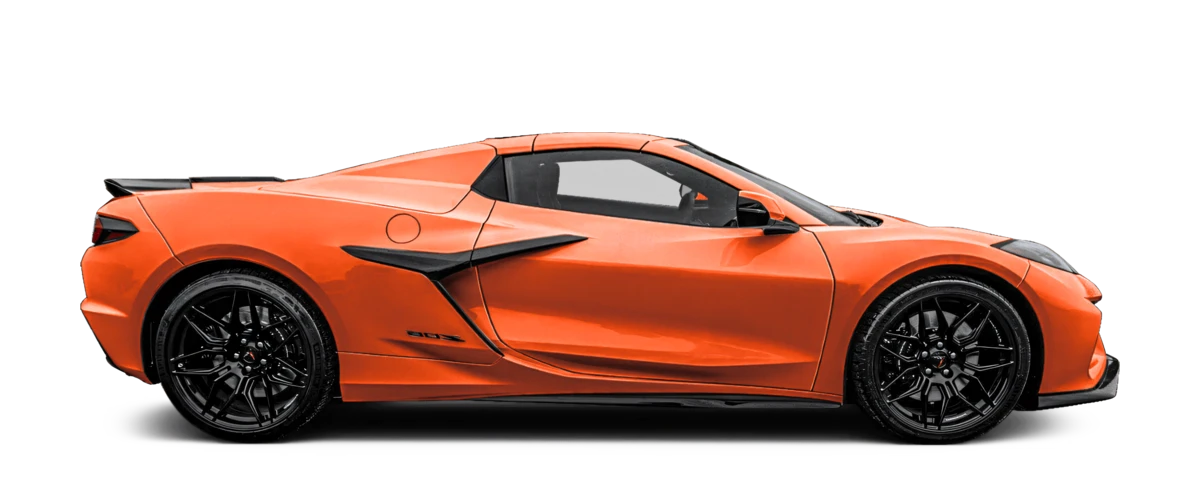 Corvette Z06, C8
 Porsche 911 Turbo, 991.1
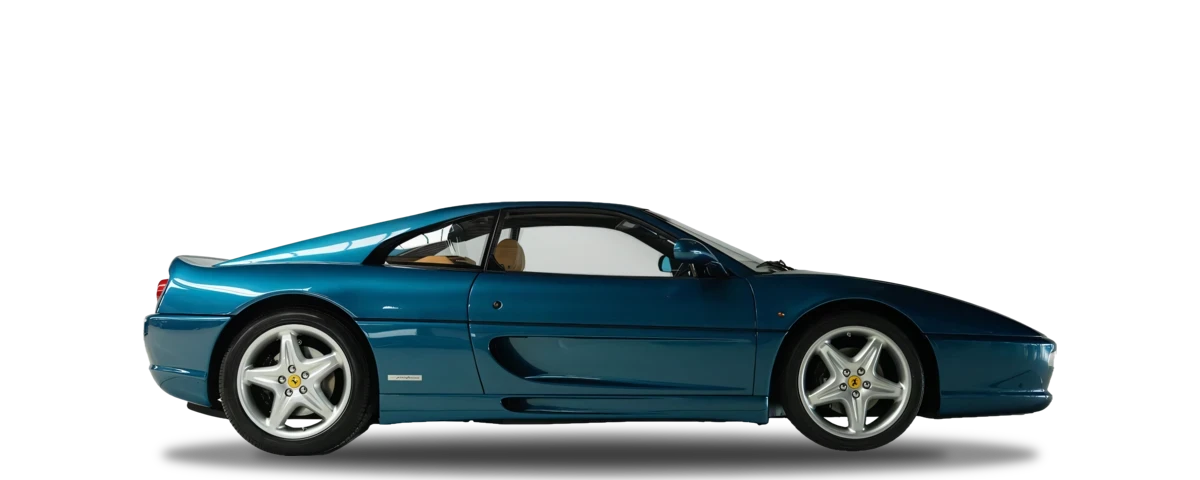 Ferrari F355
 Porsche Cayenne Turbo, 955
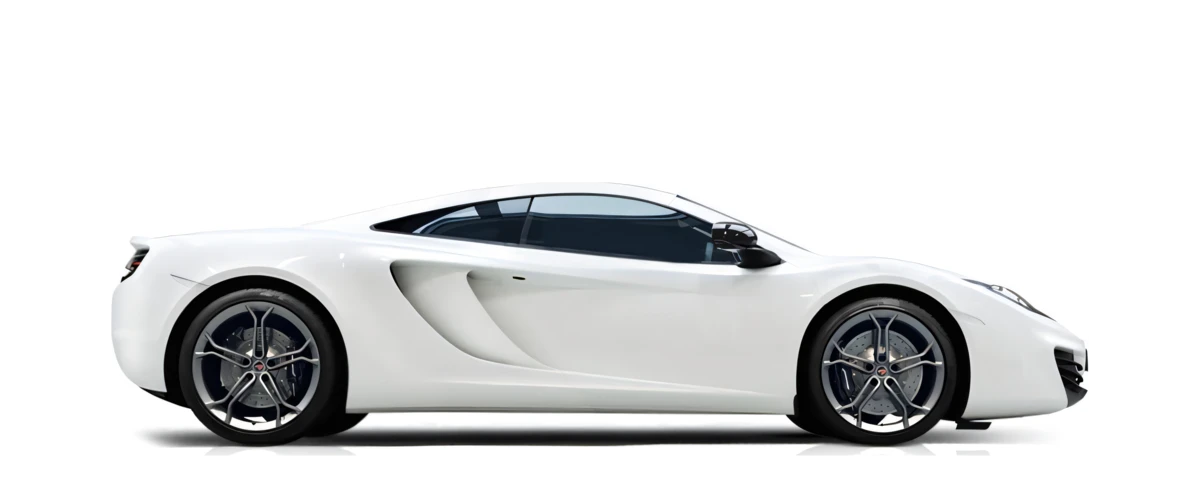 McLaren MP4-12C
 Maserati Quattroporte
 Aston Martin DBS
 Porsche 718 Cayman
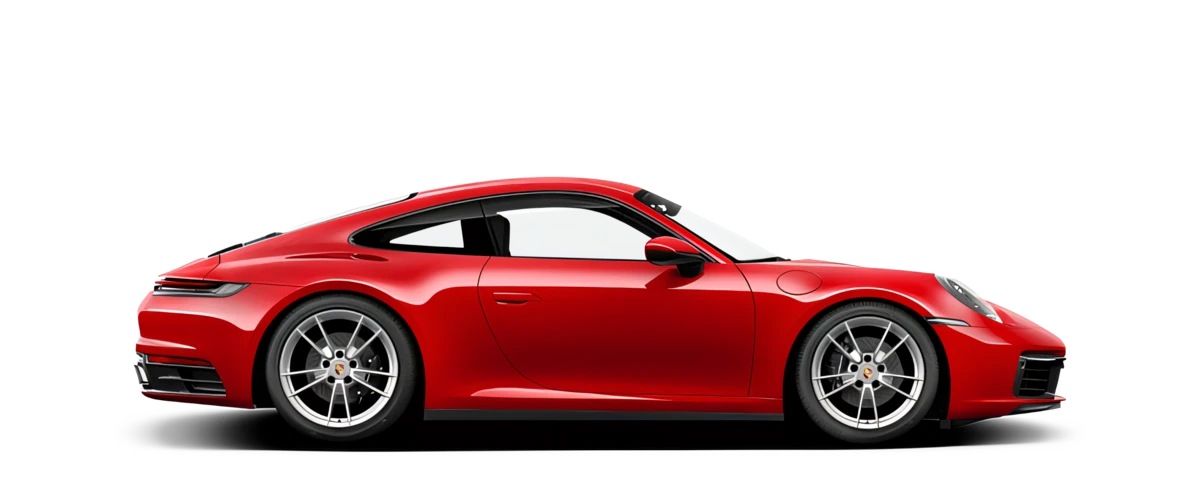 Porsche 911 Carrera, 992.1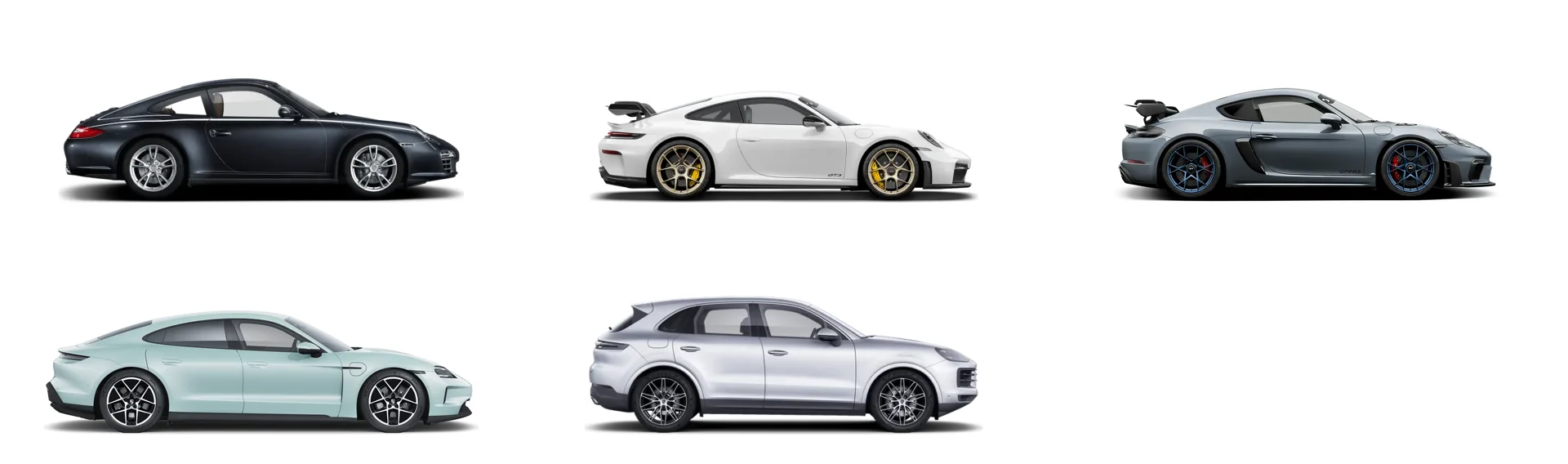
One card, every part
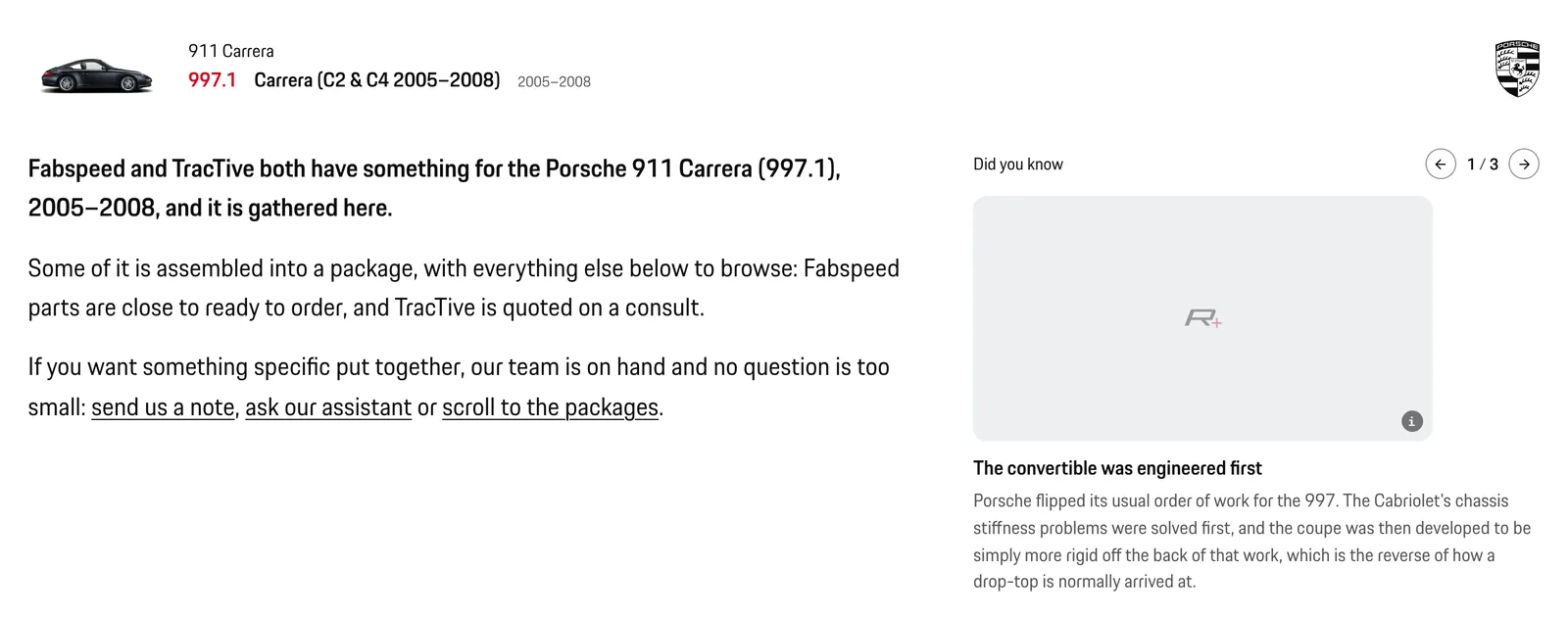
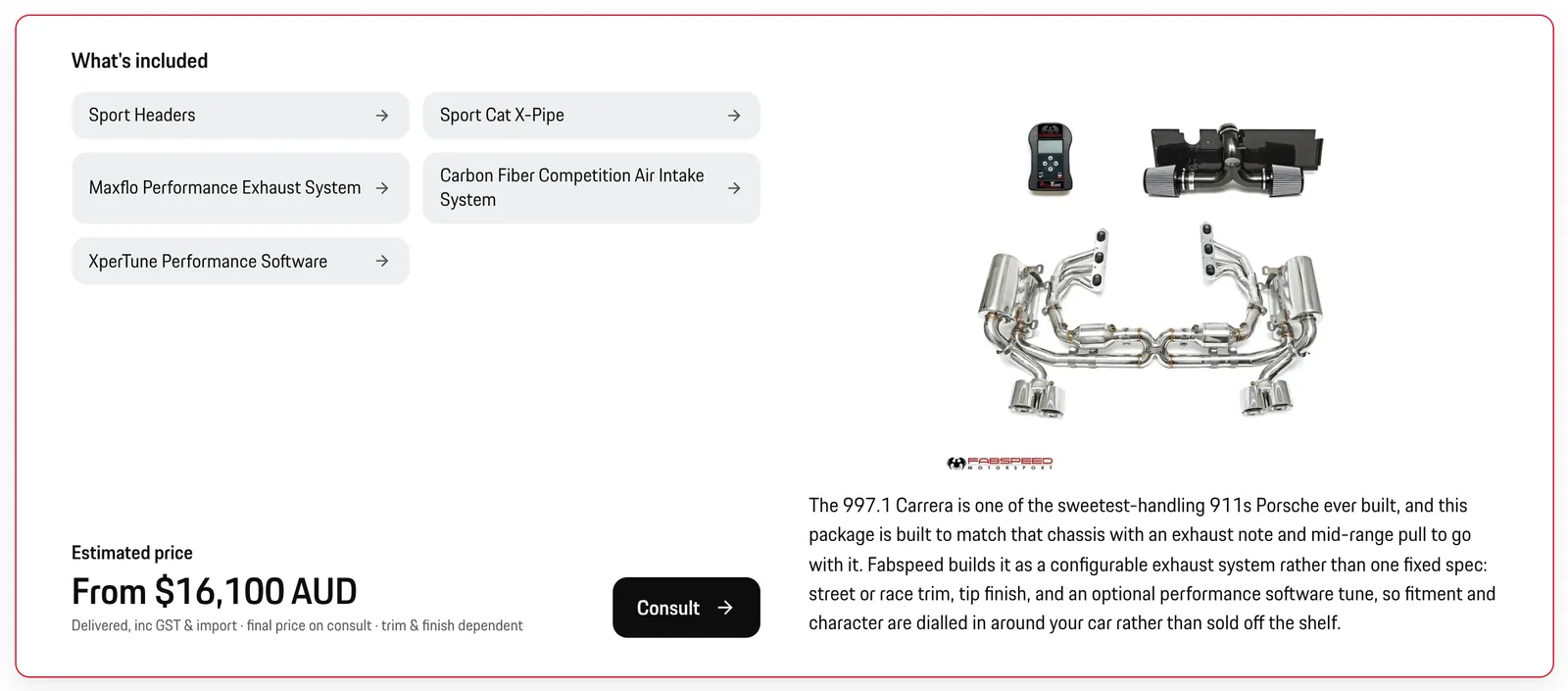
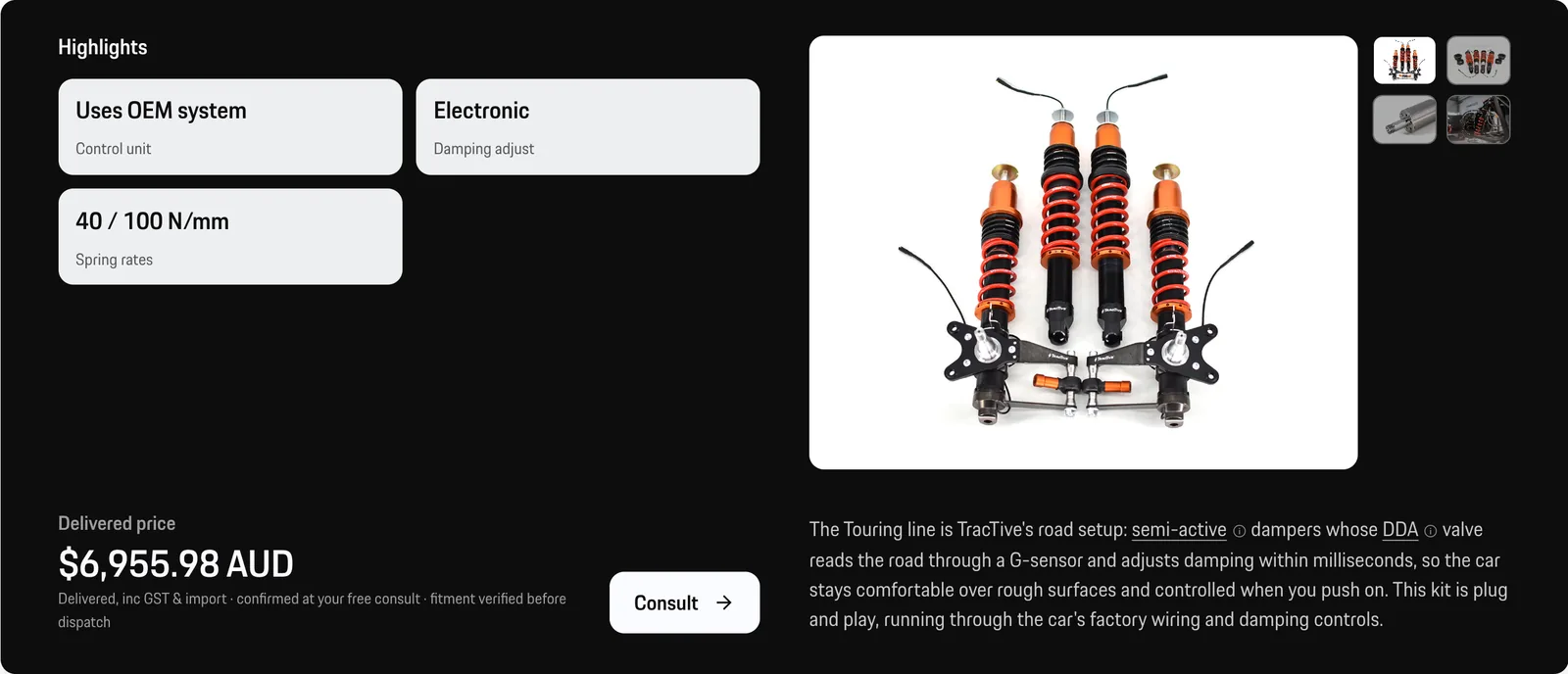
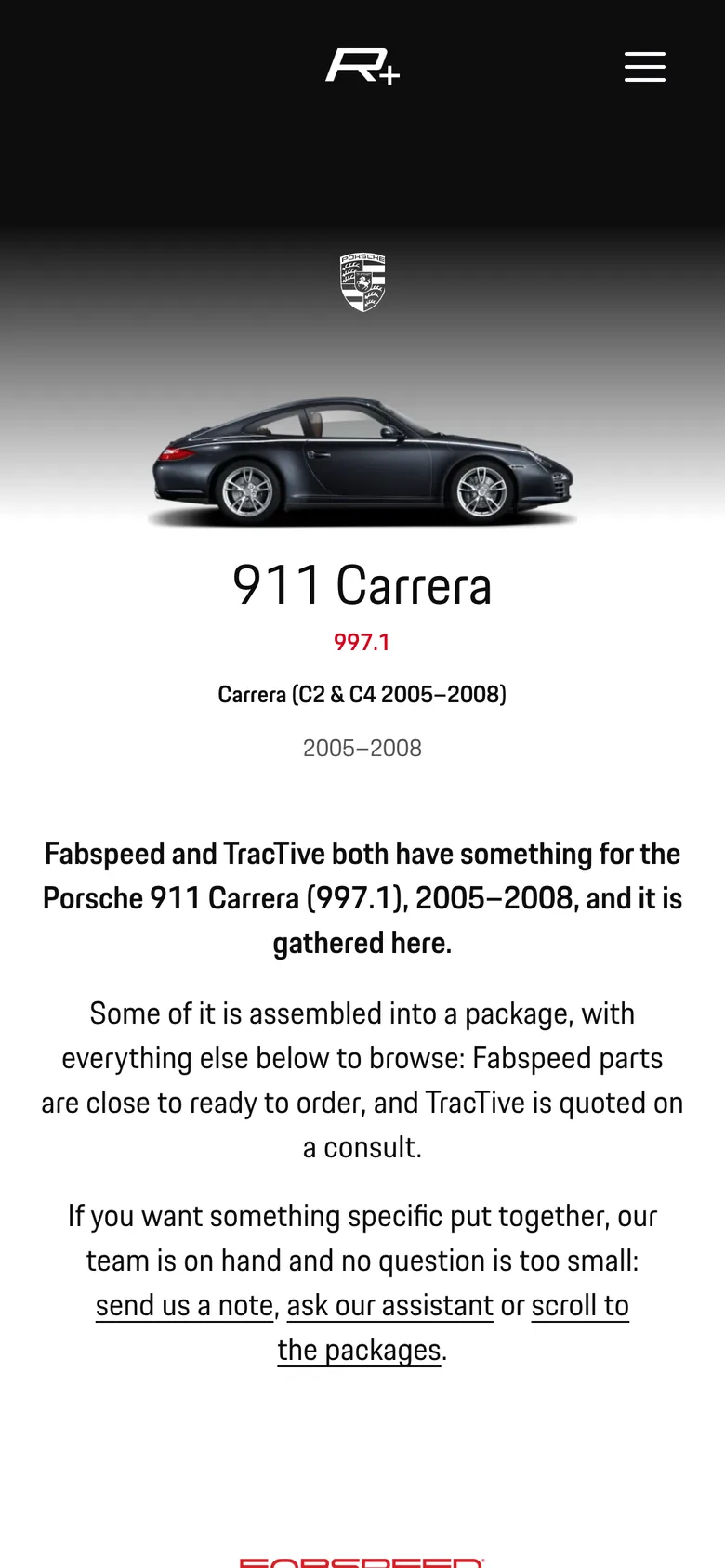
Every car page and every product page is the same composition, and the data decides what shows. Under the car sit the packages and parts in a fixed order: the Fabspeed package first, then the rest of Fabspeed, then TECHART, with TracTive suspension alongside and, on the air-cooled cars, PermaTUNE and Rennen ITB.
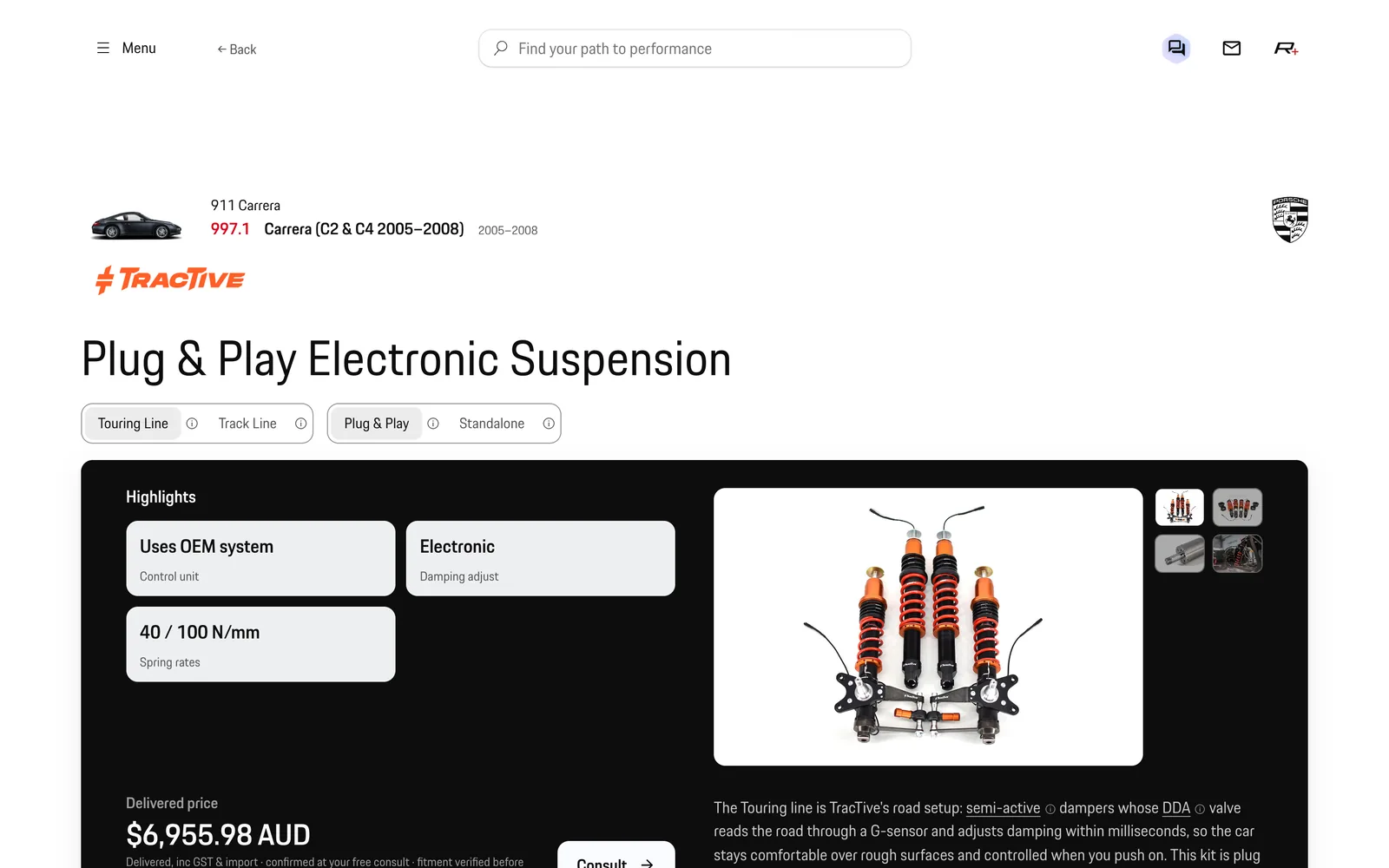
A package card lists what is in it and an estimated price. A TracTive card goes dark, because suspension is quoted on a consult. A product page is that same card with its options lifted above it, so a customer only ever learns one layout.
About 2,500 parts sit underneath: 1,895 Fabspeed products with fitment taken word for word from Fabspeed's own listings, 514 TECHART parts with their finishes and components, 24 TracTive suspension kits across 67 cars, 50 PermaTUNE parts and 27 Rennen ITB kits. Each carries its own fitment line, specs, gallery and a set of questions written for that part.
Priced live, in three finishes
Fabspeed lists in US dollars from Pennsylvania. Mason's old process was a spreadsheet: supplier retail, exchange rate, freight by weight, duty, clearance, GST, margin, repeated by hand for each quote.
That chain is now a pricing engine in the build. It takes the supplier's current retail price, adds freight from the part's shipping weight and the delivery zone, then duty, clearance and GST, converts once at the live USD to AUD rate, and adds the margin. Packages round up to the nearest five dollars; parts show the exact figure. It was tested line by line against Mason's own calculator until the two agreed to the dollar on the same order.
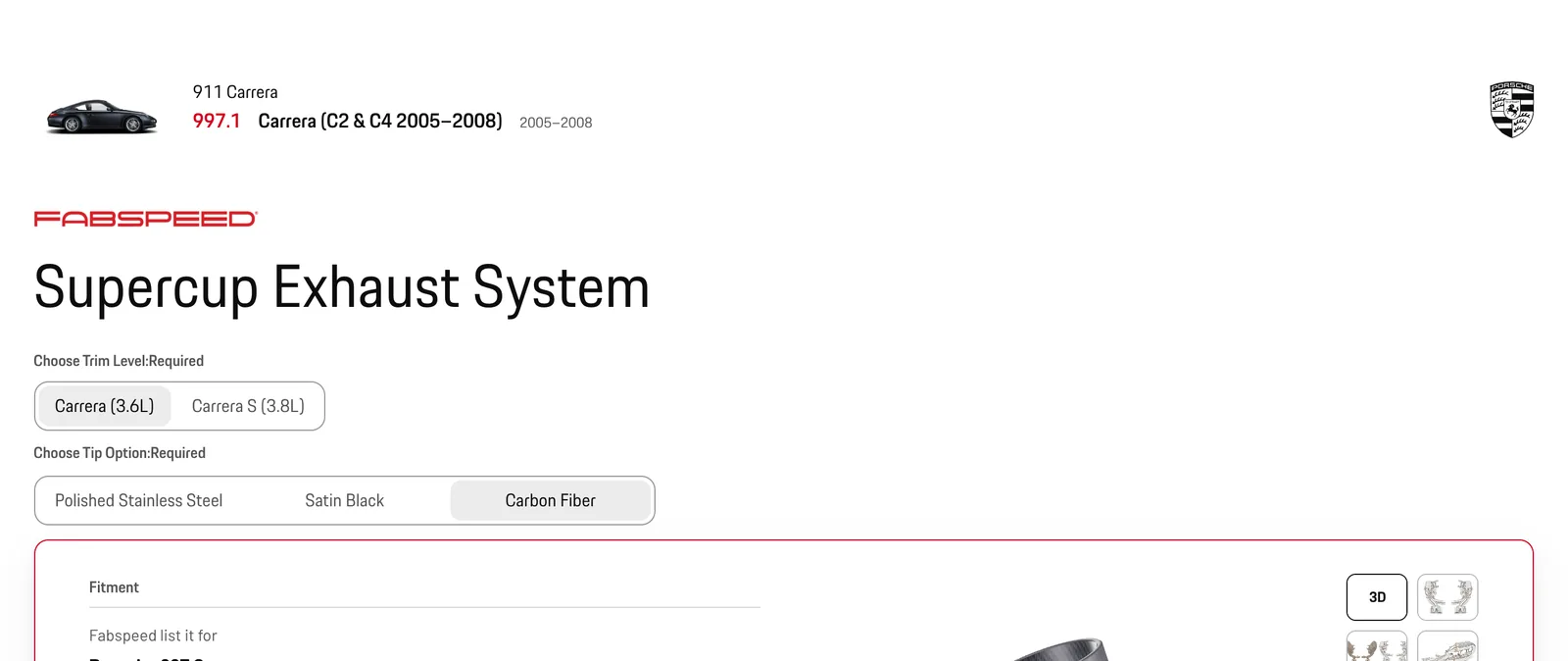
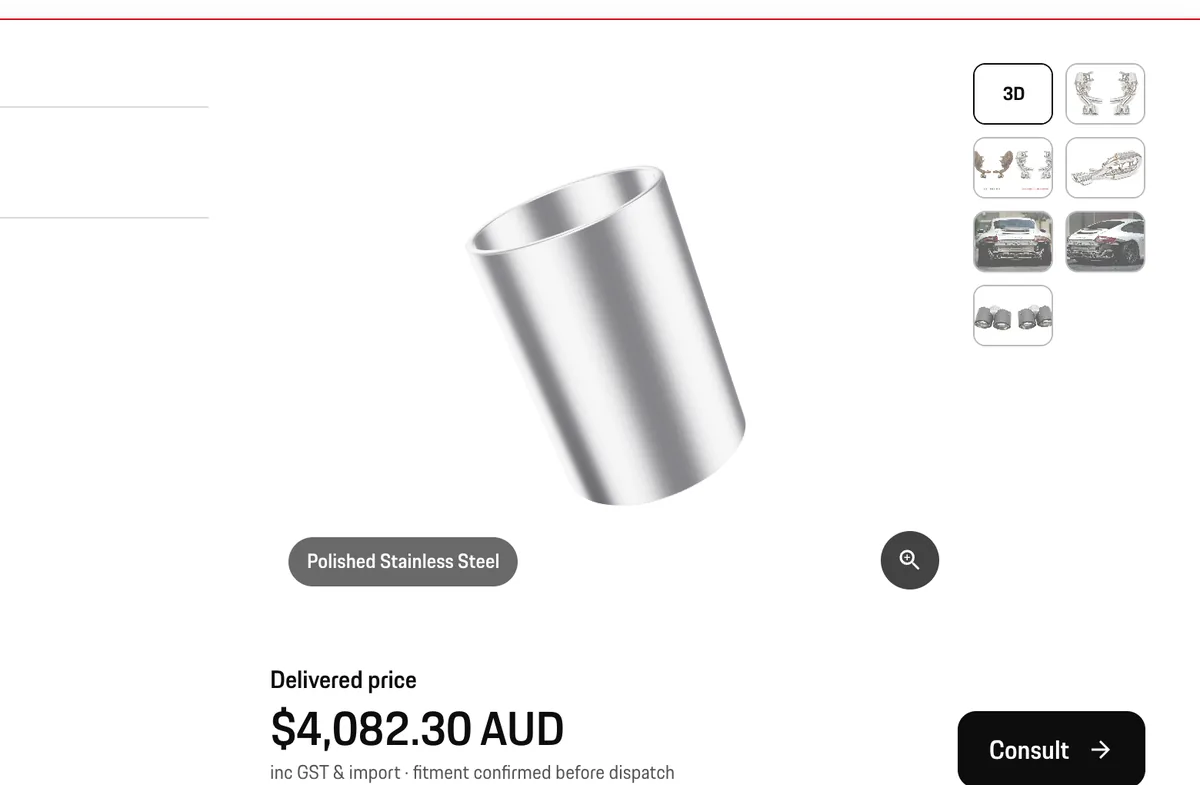
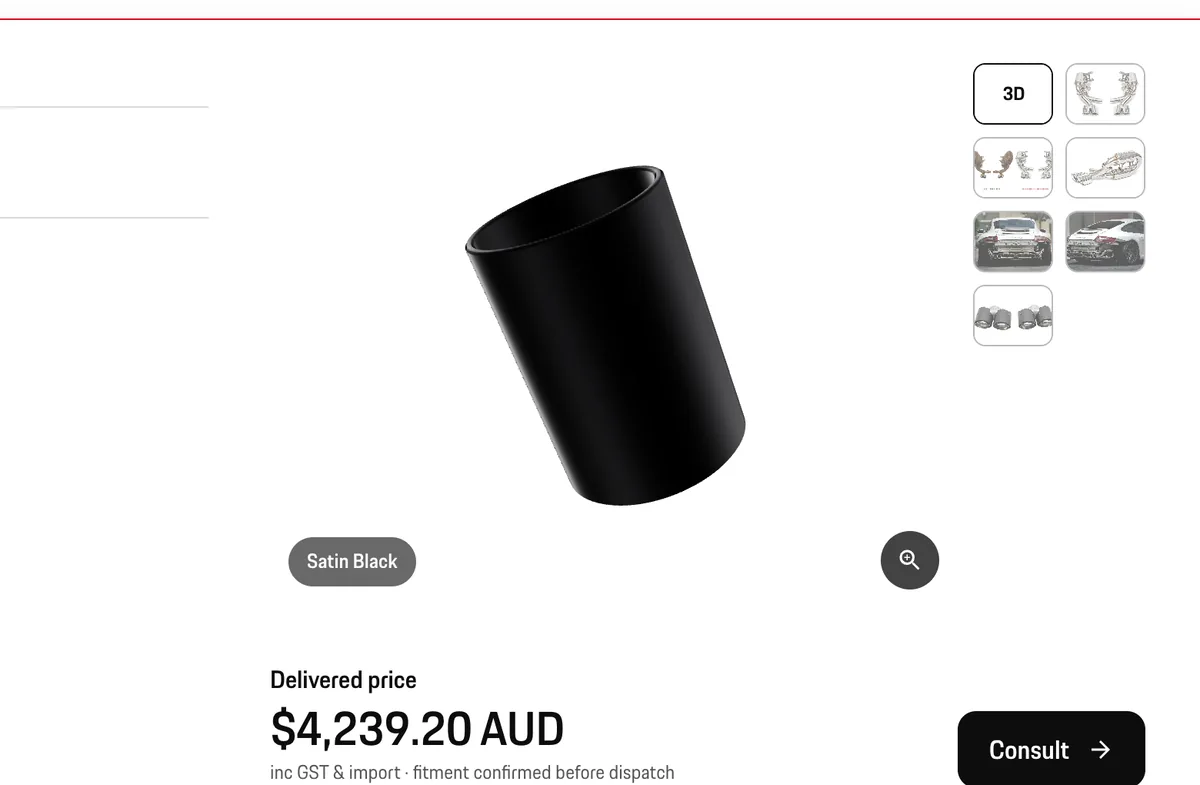
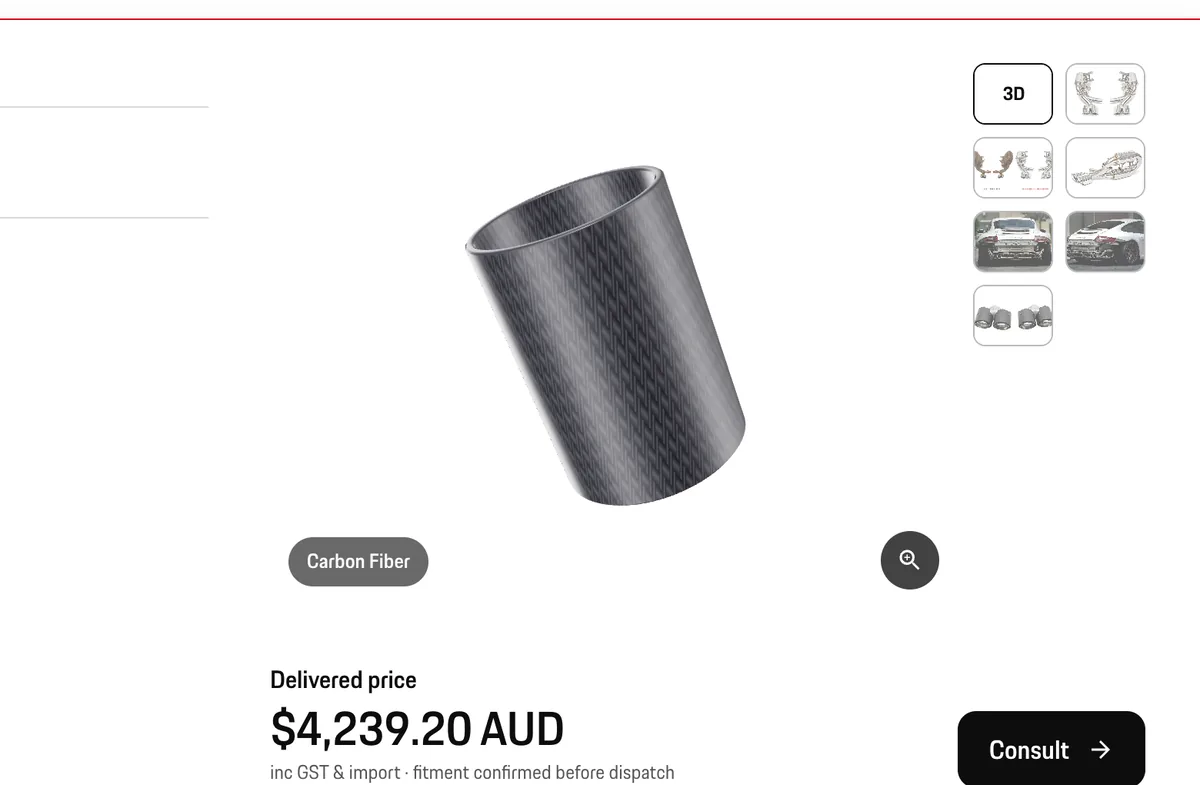
So the price moves when the customer changes an option. The Supercup for the 997.1 reads $4,082.30 delivered with polished stainless tips and $4,239.20 in carbon fibre. Pick a finish and the gallery leads with a live 3D swatch of it, a procedural material that weighs nothing. Where a supplier price is unclear the site shows the dearer figure, so a customer is only ever surprised downward on the call.
Look closer
Switch a finish and the swatch, its label and the price all move together. Every product gallery opens full screen too: supplier renders, fitted photos and the 3D swatch in one strip, with the keyboard and the arrows moving between them. Around 23,000 images serve from a Cloudflare bucket on the site's own image subdomain rather than from the app, so the pages stay light.
Built for a phone first
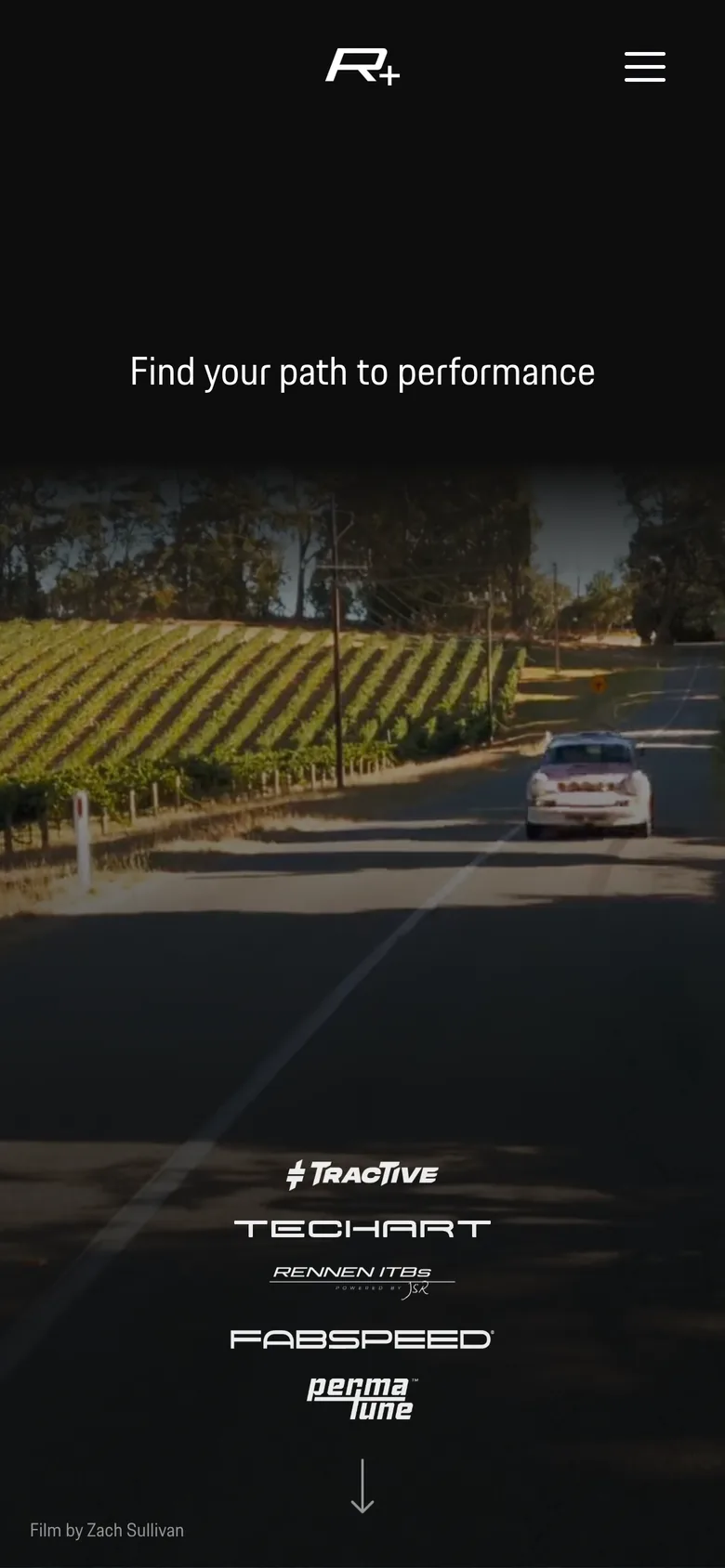
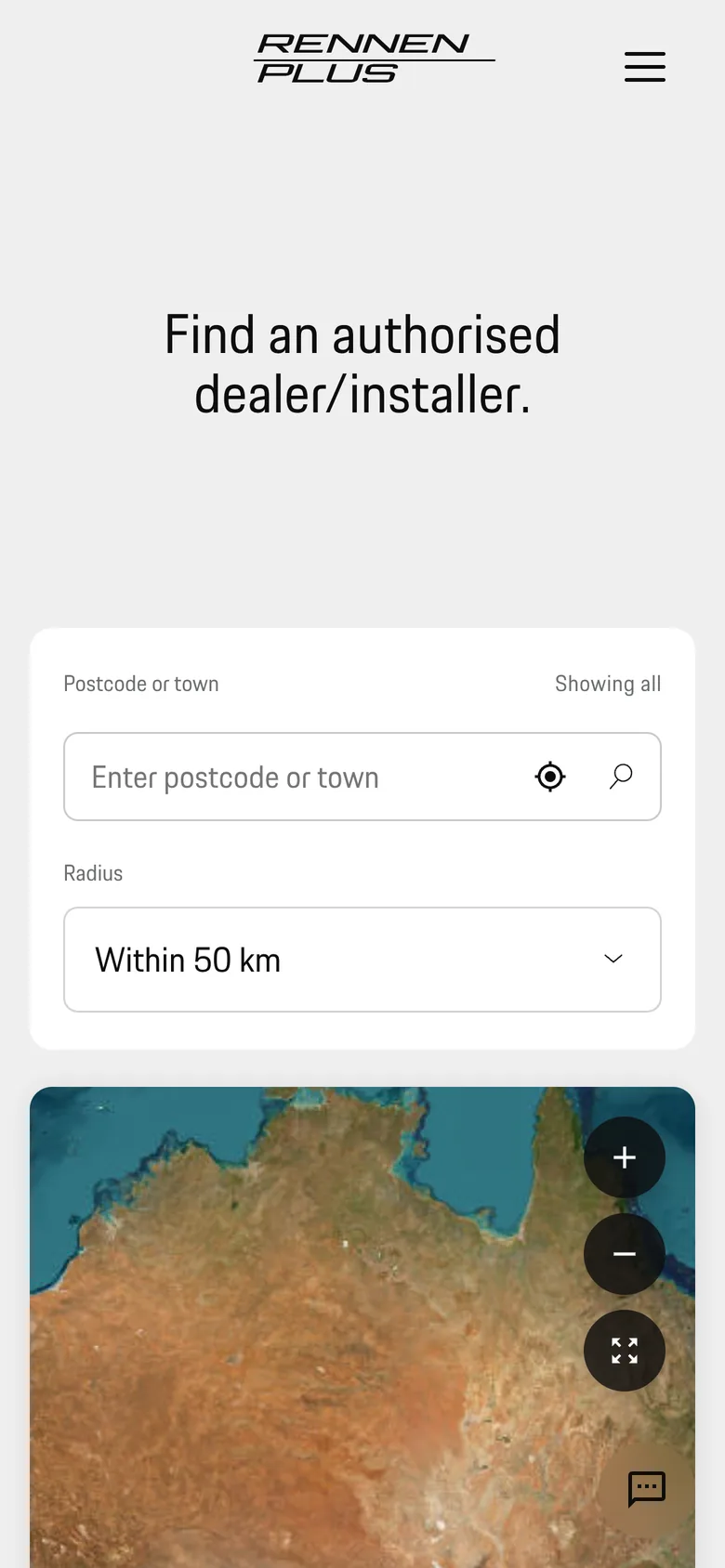
Rennen Plus advertises on Meta, so the first screen most customers see is a phone. The mobile site was designed as its own thing rather than a squeezed desktop: two fonts, six text sizes on an 8px rhythm, four spacing values, two radii, a small ink palette. Every control is at least 44px tall and hover styles only apply to a real pointer, so nothing sticks under a thumb.
The tokens follow the open-source Porsche Design System: its type scale, spacing steps, radii and colour roles, applied as an exploration theme while the client decides on the long-term face of the brand. One block deleted and the whole site falls back to the original Bebas and Barlow pairing without touching a component.
Ask, or book
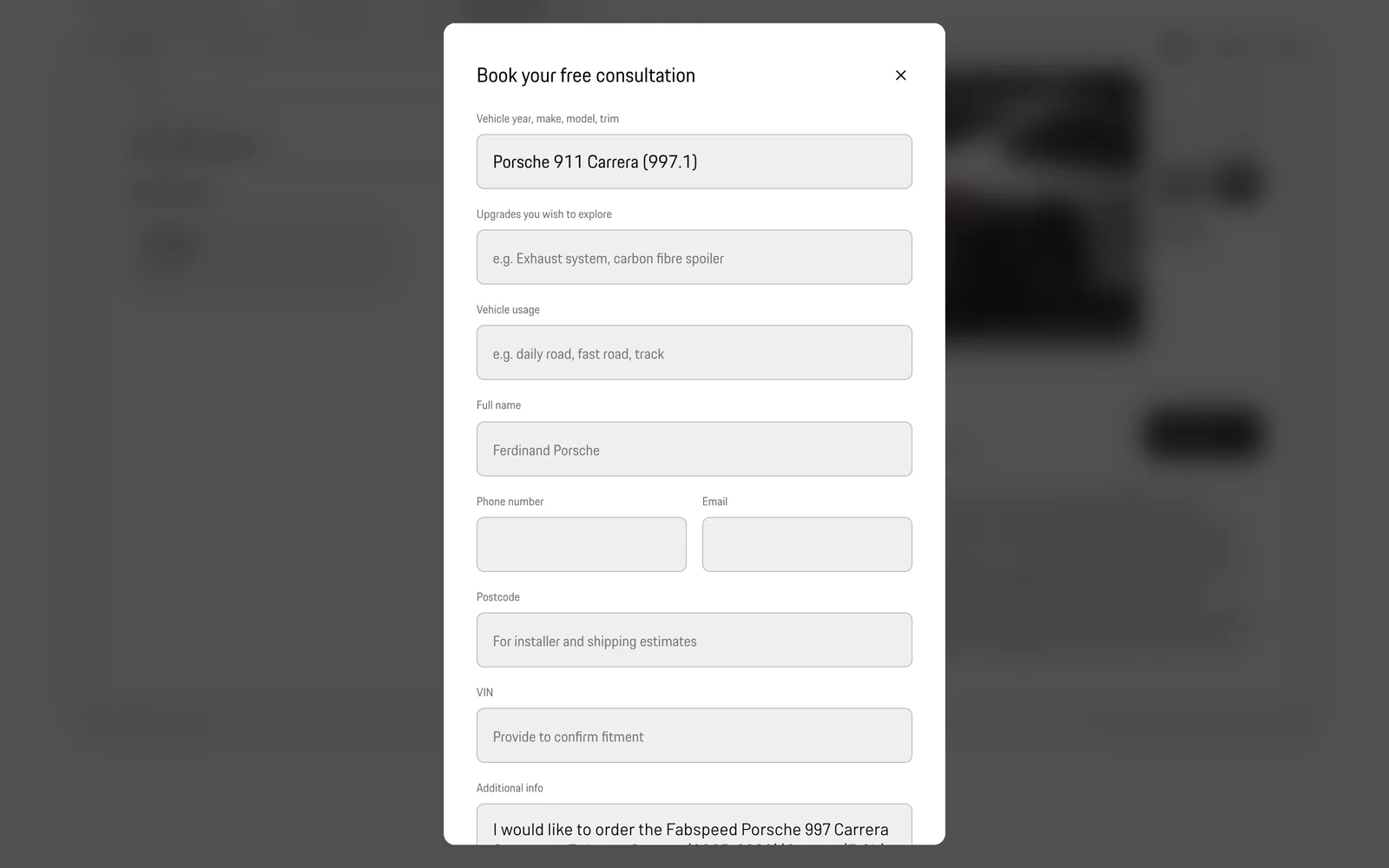
Every consult button on the site, inline link or card, opens the same panel with the car and the part already filled in. An assistant grounded in the same catalogue data as the pages, Gemini Flash Lite with fallbacks behind it, answers fitment questions in the site's own voice and offers the consult when it makes sense.
In the first weeks after launch Mason has been sending phone customers to the site for exact pricing, five so far, because they can look at one catalogue while he talks instead of three supplier sites.
Everything around the parts
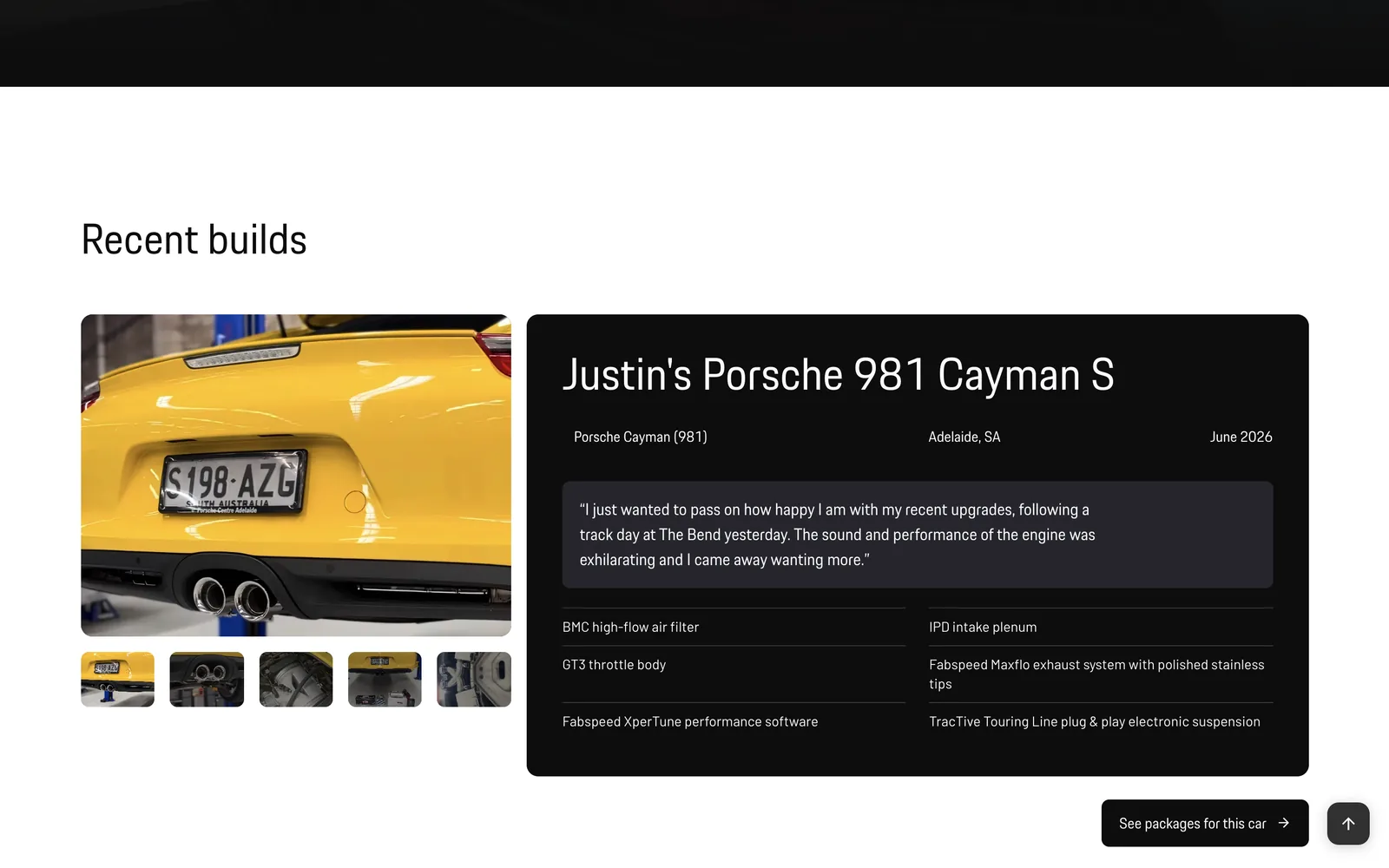
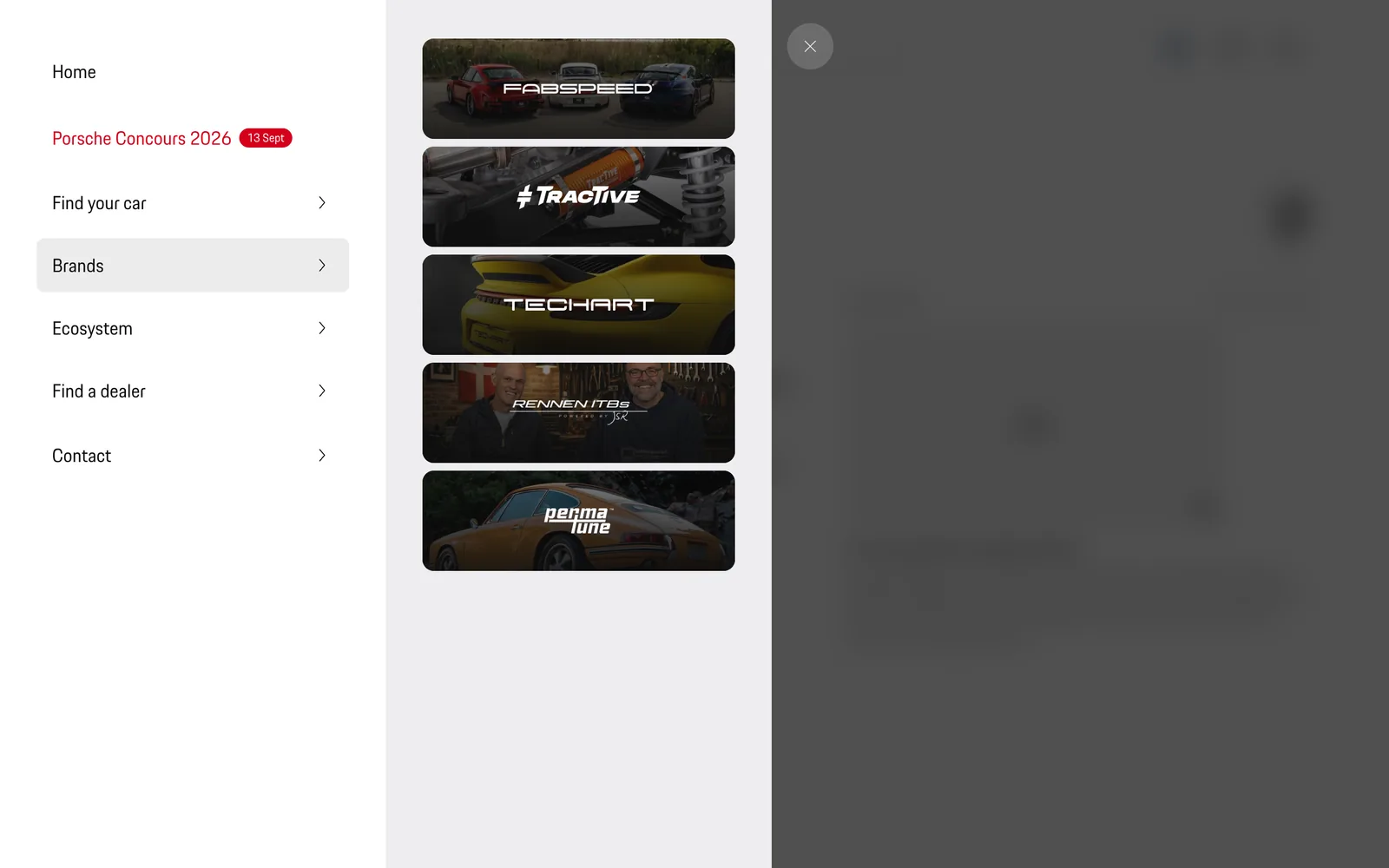
A parts catalogue on its own does not earn a call. The rest of the site makes the call feel safe: a dealer finder with 45 installers on a map, a customer builds page with nine real cars and the exact parts on each, a directory page for each of the five brands, and one side menu on every device with the current event at the top.
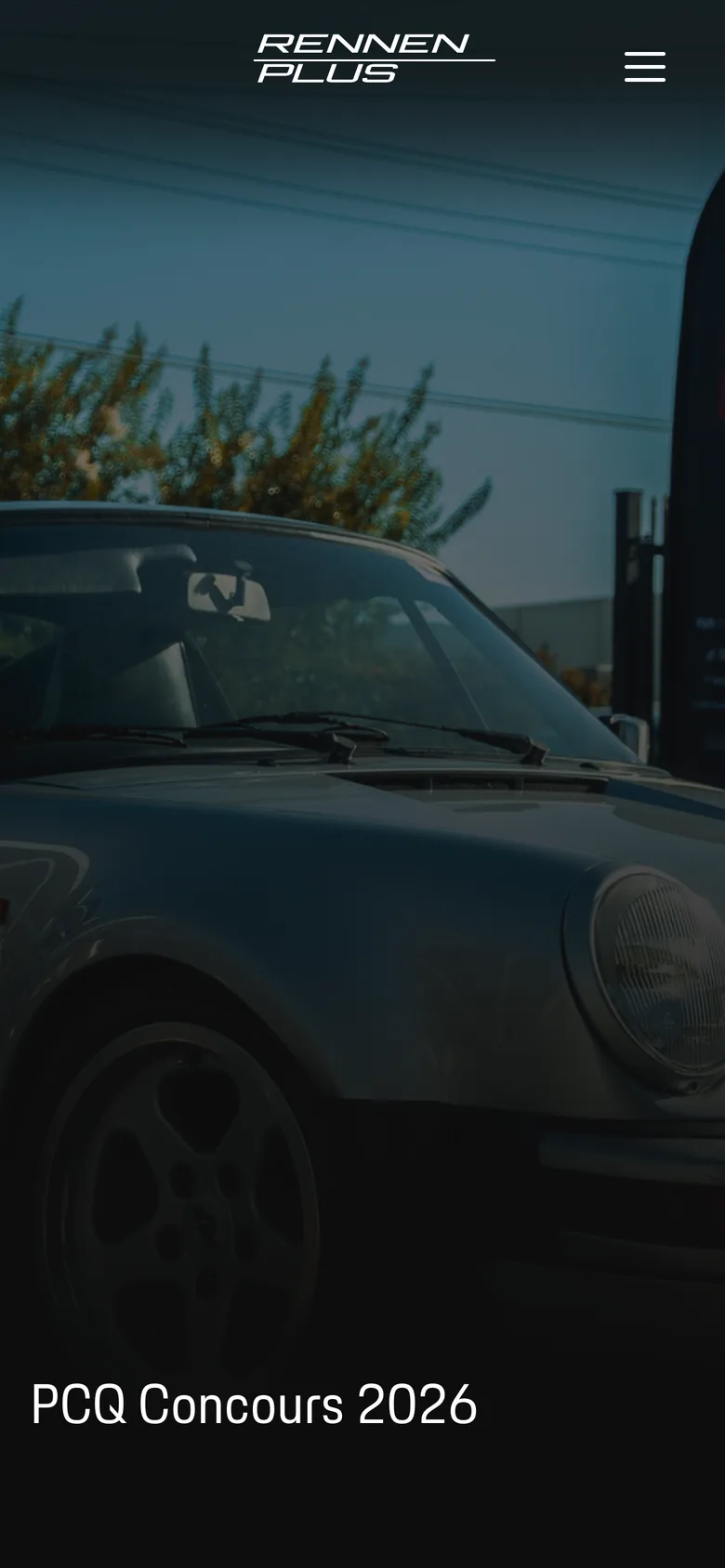
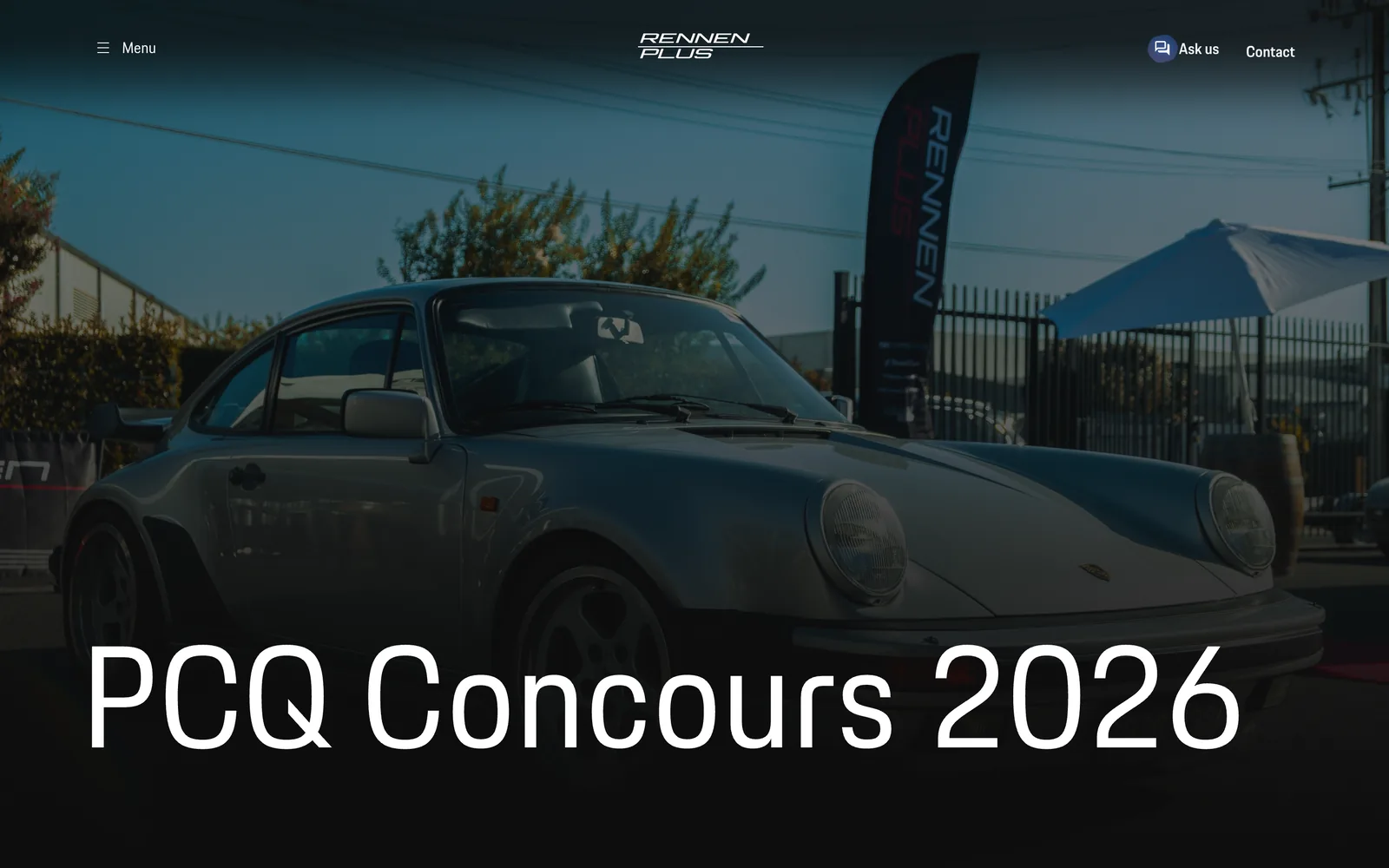
The build ran to one date. Rennen Plus had a stand at the Porsche Club of Queensland Concours on 13 September and needed the site live before it, with an event page and a prize draw. Work started on 6 August. The site went live on 4 September, the event page followed on the 9th, and the full catalogue was on production by the 12th, 1,136 commits in, with the event the first thing in the menu.
Outcomes
Live in four weeks, complete in five and a half: 6 August to 12 September 2026
ROLE
Design, front end, data pipelines, imagery, deployment.
PROBLEM
An Australian performance-parts business with five partner brands, thousands of parts and no way for a customer to find what fits their car, priced in Australian dollars, on a phone.
OUTCOME
A car-first catalogue of about 2,500 parts across 228 cars, priced live in AUD, live in four weeks and complete in five and a half, on the stand at the Porsche Club of Queensland Concours.
SKILLS
LIVE SITE
OPEN FOR WORK
finbar@finbar.studio